


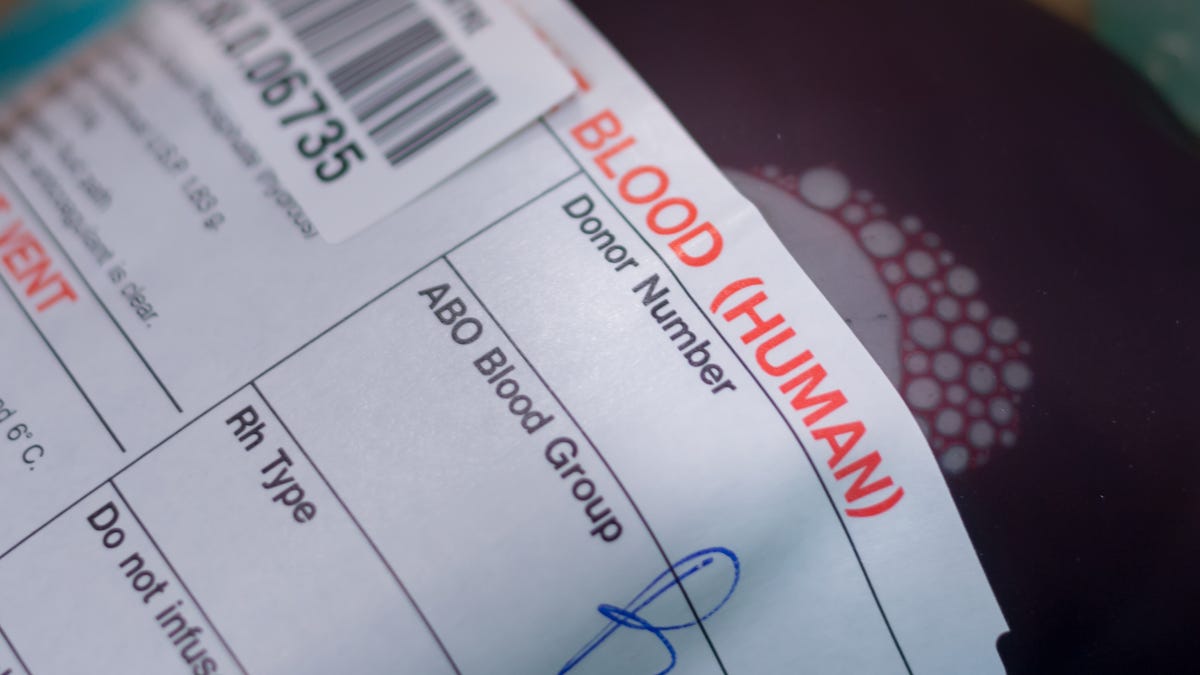
Knowing your blood type is important information to know during a medical emergency. It can also tell you more about which medical conditions you’re more at risk for, such as heart disease and Type 2 diabetes. Your blood type is more connected to your heart health than you might realize, making it important to know and how it could potentially connect to heart disease. And in turn, the lifestyle changes you can make for better heart health.
What does your blood type mean for your body?
The letters A, B and O represent various forms of the ABO gene, which program our blood cells differently to form the different blood groups. If you have type AB blood, for example, your body is programmed to produce A and B antigens on red blood cells. A person with type O blood doesn’t produce any antigens.
Blood is said to be “positive” or “negative” based on whether there are proteins on the red blood cells. If your blood has proteins, you’re Rhesus, or Rh, positive.
The ABO system is the best known way of classifying blood types.
People with type O-negative blood are considered “universal donors” because their blood doesn’t have any antigens or proteins, meaning anyone’s body will be able to accept it in an emergency.
But why are there different blood types? Researchers don’t fully know, but factors such as where someone’s ancestors are from and past infections that spurred protective mutations in the blood may have contributed to the diversity, according to Dr. Douglas Guggenheim, a hematologist with Penn Medicine. People with type O blood may get sicker with cholera, for example, while people with type A or B blood may be more likely to experience blood clotting issues. While our blood can’t keep up with the different biological or viral threats going around in real-time, it may reflect what’s happened in the past.
“In short, it’s almost like the body has evolved around its environment in order to protect it as best as possible,” Guggenheim said.
People with type O blood may have a lower risk of cardiovascular events.
The blood types most at risk for heart disease
People with type A, type B or type AB blood are more likely than people with type O to have a heart attack or experience heart failure, according to the American Heart Association.
While the increased risk is small (types A or B had a combined 8% higher risk of heart attack and 10% increased risk of heart failure, according to one large study) the difference in blood clotting rates is much higher, per the AHA. People in the same study with type A and B blood were 51% more likely to develop deep vein thrombosis and 47% more likely to develop a pulmonary embolism, which are severe blood clotting disorders that can also increase the risk of heart failure.
According to Guggenheim, a reason for this increased risk might be inflammation in the bodies of people with type A, type B or type AB blood. The proteins present in type A and type B blood may cause more “blockage” or “thickening” in the veins and arteries, leading to an increased risk of clotting and heart disease.
Guggenheim also thinks this may describe the anecdotal decrease in risk of severe COVID-19 disease in people with type O blood. (Note: Since this article was first published, more research has added to the notion that people with type A blood may have a higher risk of infection. This is because the COVID-19 virus binds to cells slightly differently based on blood type.)
There are four main blood groups (types of blood): A, B, AB and O.
Other consequences of blood type
People with type O blood enjoy a slightly lower risk of heart disease and blood clotting, but they may be more susceptible to hemorrhaging or bleeding disorders. This may be especially true after childbirth, according to a study on postpartum blood loss, which found an increased risk in women with type O blood.
People with type O blood may also fare worse after a traumatic injury due to increased blood loss, according to a study published in Critical Care.
Other research has found people with type AB blood might be at an increased risk for cognitive impairment when compared to people with type O. Cognitive impairment includes things like trouble remembering, focusing or making decisions.
Read more: Mediterranean Diet for Heart Health: Foods to Eat and How to Get Started
Should you change your lifestyle based on your blood type?
While research available now shows that blood type can tip the scale in terms of someone’s risk of developing heart disease, big factors such as diet, exercise or even the level of pollution you’re exposed to in your community are the major players in determining heart health.
Guggenheim says that for patients trying to keep their heart healthy, there’s no special recommendation that he’d make other than a good heart-healthy diet that lowers inflammation, regardless of someone’s blood type.
Lean proteins, healthy fats, fruits, vegetables and whole grains are all part of a heart-healthy diet.
But, he notes, future research could offer more definitive ways doctors treat patients based on their blood type. All factors considered equally, a patient with healthy cholesterol levels and type A blood may benefit from taking aspirin each day whereas it might not be necessary for a person in the same boat with type O blood.
“A well-balanced, heart-healthy diet in general is going to be what any physician is going to recommend, and I would say that ABO doesn’t change that,” Guggenheim said.
“I don’t think there’s a protective benefit from just having type O blood that contributes to being scot-free,” he added.
