


2. Highlight client stories in a way people trust
Client stories work in fitness marketing because they reduce uncertainty. When someone is considering a personal trainer, a gym, or an online program, they want proof that the process works for people like them, not just polished promises.
That said, fitness transformations are sensitive. Sharing them carelessly can damage trust instead of building it. The goal is credibility, not shock value.
Strong client success stories focus on process and context, not just outcomes. Instead of posting a before-and-after photo with a vague caption, show how the change happened.
A simple structure that works well:
- Where the client started (experience level, main challenge)
- What the plan looked like (training frequency, support, accountability)
- The obstacle they struggled with
- What changed over time
- The result, with a clear timeframe
- One takeaway others can apply
For example, instead of “Lost 10kg in 12 weeks,” explain what habits were built, how gym workouts were adjusted, or how consistency improved. This makes the story believable and useful. You can also include client testimonials so your followers can hear the story straight from the source.
3. Find and stick to a clear brand voice
A clear brand voice helps your fitness brand feel familiar and trustworthy over time. When people scroll through their feed, they should be able to recognize your content before they see your name. That recognition is what separates strong fitness social media accounts from ones that blend into the background.
Most fitness brands don’t struggle because they lack personality, they struggle because their tone changes constantly. One post sounds motivational, the next reads like a textbook, and another feels overly promotional. This inconsistency makes it harder for people to connect with your brand or understand what you stand for.
A strong brand voice starts with making a few intentional choices. Decide how you want to sound when you give fitness advice. Are you more coach-like and direct, or supportive and conversational? Do you explain exercises in simple language, or do you lean into technical cues and training terminology?
Just as important, decide what you avoid. Many fitness professionals intentionally stay away from crash-diet language, body shaming, or exaggerated claims because those undermine trust in the long run.
Once you’re clear on your voice, apply it consistently across your fitness content. This shows up in small but repeatable ways. The way you explain proper form, how you respond to comments, the phrases you use in workout videos, and even the type of humor you include all contribute to how people perceive your brand. Over time, this consistency helps your audience feel like they know you, even before they become clients.
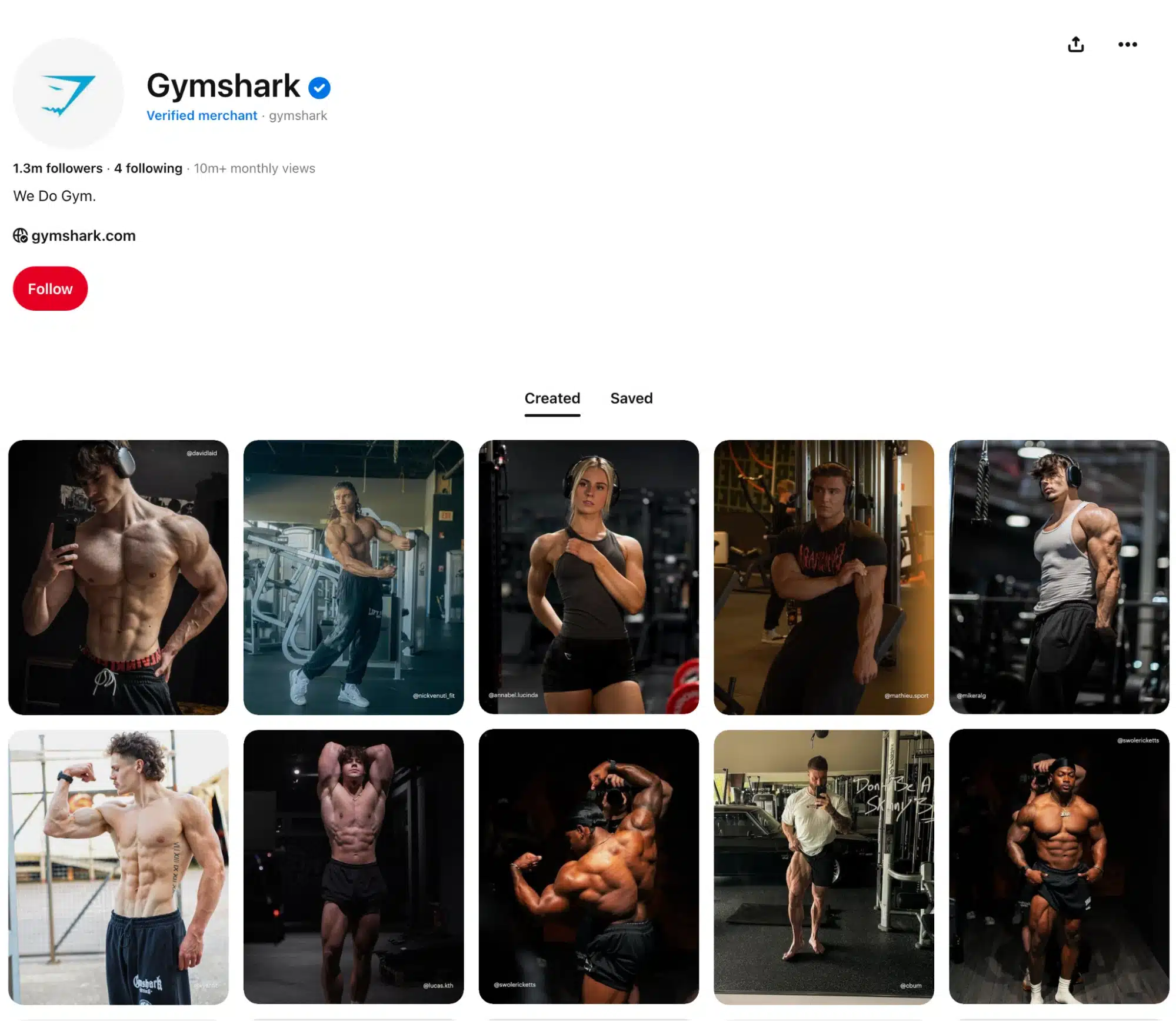
Well-known fitness brands and creators do this exceptionally well. Gymshark’s social media content consistently speaks to a younger, community-driven audience through informal language and creator-led content.
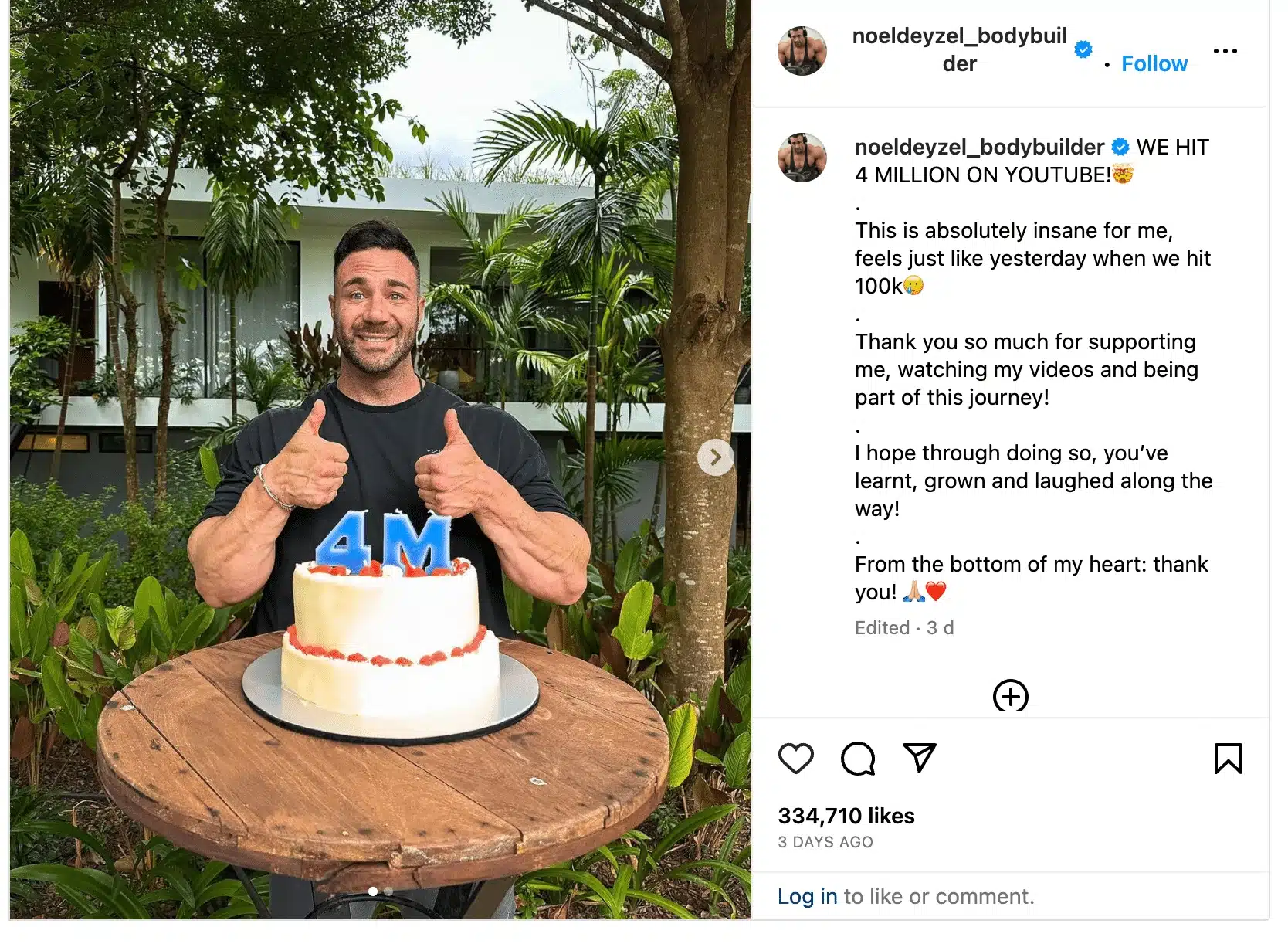
Fitness creators like Noel Deyzel use the same educational tone and recurring phrases in nearly every video, which reinforces their personal brand without needing an introduction each time.
The lesson isn’t to copy their style, but to commit to one that fits your audience and repeat it.
4. Share educational content that answers real questions
Educational content works in fitness social media because it helps people make decisions. Before someone books a class, downloads workout apps, signs up for a program, or messages a personal trainer, they usually want clarity.
For fitness brands, this means focusing on content that explains how and why, not just what. The most effective educational posts reduce confusion around training, form, and expectations.
Examples of educational fitness content that performs well:
- Proper form breakdowns for common exercises
- Short workout tutorials focused on one movement
- Explanations of common fitness myths
- Guidance on choosing workout plans based on fitness goals
Specificity matters here. A post explaining “three squat mistakes beginners make” is far more useful than generic fitness advice. The more concrete your examples, the easier it is for people to trust your expertise.
Educational content also compounds over time. When followers repeatedly learn something useful from your posts, they’re more likely to save your content, return to your profile, and reach out when they’re ready to commit. In the fitness and wellness industry, that trust often matters more than reach.
To keep this manageable, extend one idea across formats. For example:
- Turn a form demo into a short workout video
- Follow it with a carousel checklist
- Answer questions about it in Stories
Track saves, shares, and DMs rather than likes. Those signals help you gain insights into whether your educational content is helping potential customers move closer to action.
5. Leverage user-generated content to build social proof
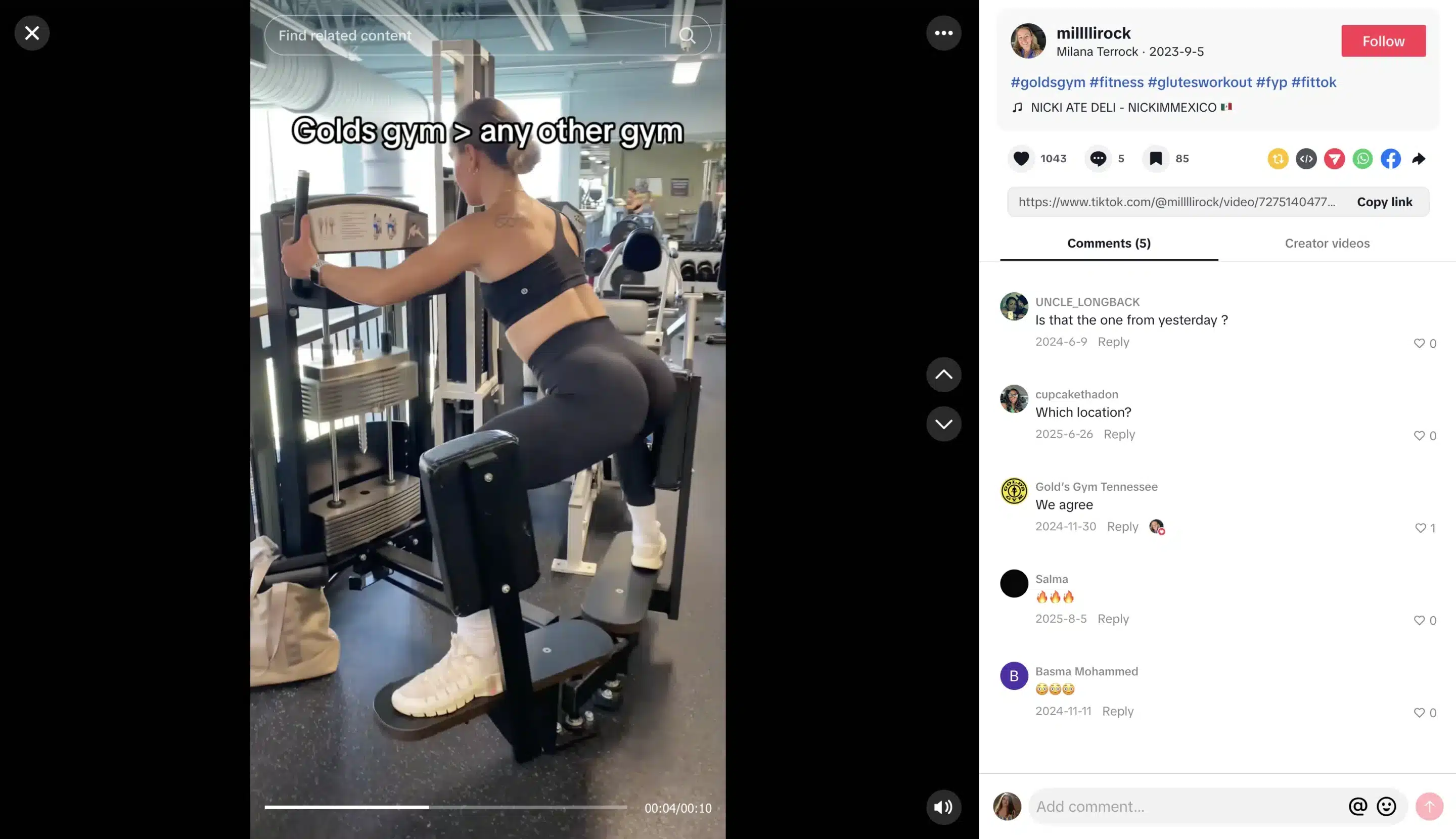
User-generated content works because it shows your fitness brand through someone else’s experience. For potential clients, this feels more believable than brand-created posts, especially in the fitness industry, where trust matters.
User-generated content can include:
- Clients sharing their own fitness journey with workout videos or gym check-ins
- Progress updates or fitness journey posts
- Tagged Stories from gym members or class attendees
- Before and after photos shared with consent
This type of content reinforces that real people are showing up, putting in the work, and getting results with your fitness services.
To make this repeatable, give people a clear way to participate:
- Ask clients and UGC creators to tag your account
- Create a branded hashtag
- Prompt members to share progress after workout challenges or programs
Reshare consistently and always credit the creator. Over time, this builds a sense of community and strengthens your brand’s social proof without requiring you to create everything from scratch.
Pay attention to how this content performs. Saves, replies, and profile visits often increase when people see relatable results from others who look like them.
6. Use influencer marketing with a clear purpose
Influencer marketing can work well in the fitness space, but only when it’s intentional. Partnering with the wrong creators or focusing only on follower count often leads to visibility without results.
For fitness brands, influencer marketing works best when the creator already speaks to your target audience and uses a similar training philosophy. Micro-influencers with smaller but engaged fitness audiences often drive more meaningful interactions than large social media pages with broad reach.
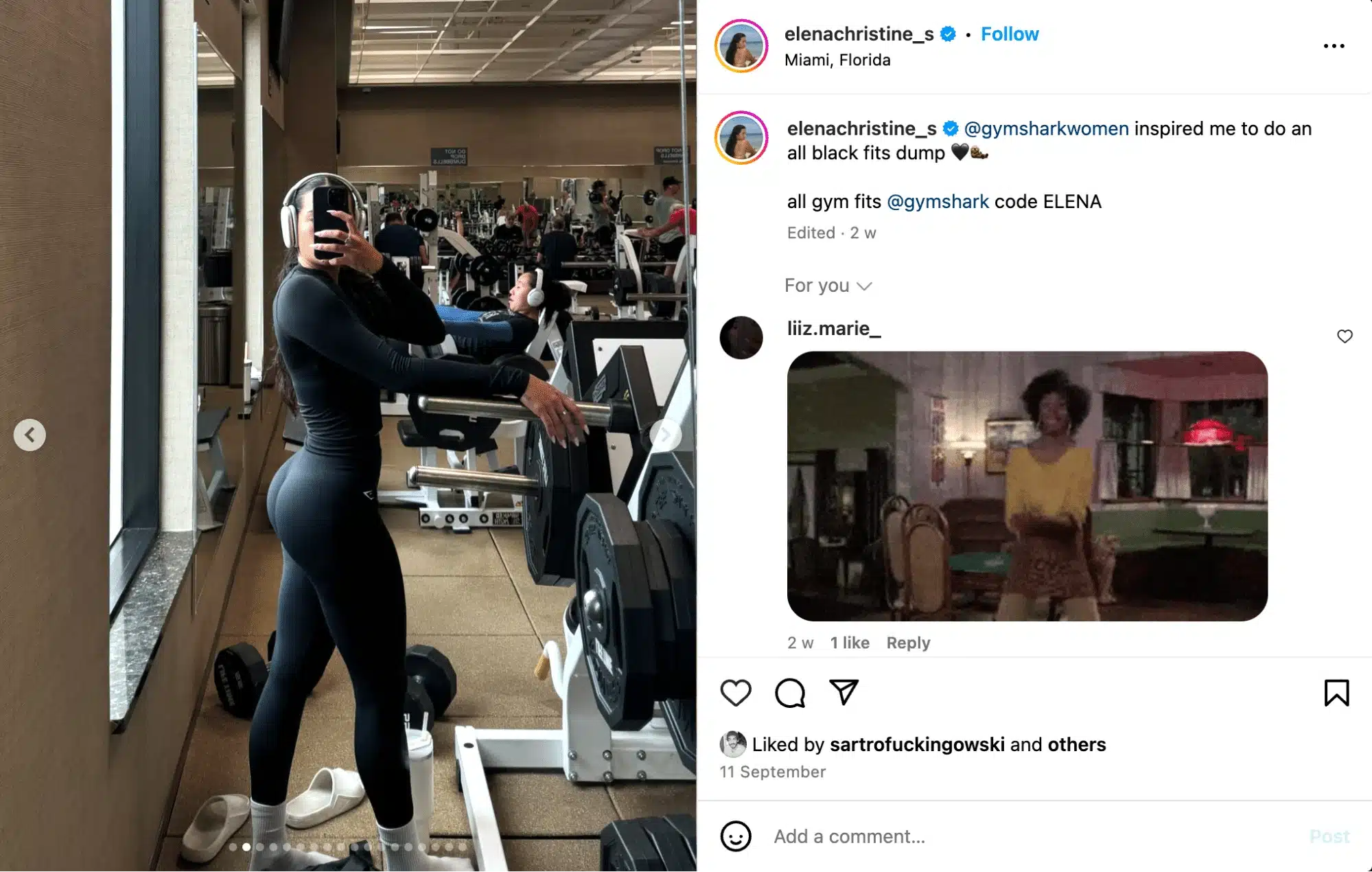
When evaluating potential partners, look for:
- Alignment with your fitness values and training approach
- Audience relevance, not just size
- Content quality and audience engagement in comments
- Past examples of authentic brand collaborations
Influencer content should feel useful, not scripted. Workout videos, class try-outs, honest reviews, or behind-the-scenes training sessions tend to perform better than direct promotions.
7. Use challenges and giveaways to get people involved
Promote fitness challenges and giveaways and give people a clear reason to participate instead of just watching from the sidelines. In the fitness space, many followers need a small push to take action, and a time-bound challenge does exactly that.
The most effective challenges are simple and achievable. Short challenges built around habits, mobility, or beginner workouts tend to perform better than long or complex fitness programs. A five-day mobility challenge or a week of short home workouts is easier to commit to and easier to share. When people feel they can complete something, they’re more likely to join and stay engaged.
For example, Gymshark has a 66-day challenge that encourages people to pick three daily habits and stick to them for the entire duration of the challenge.
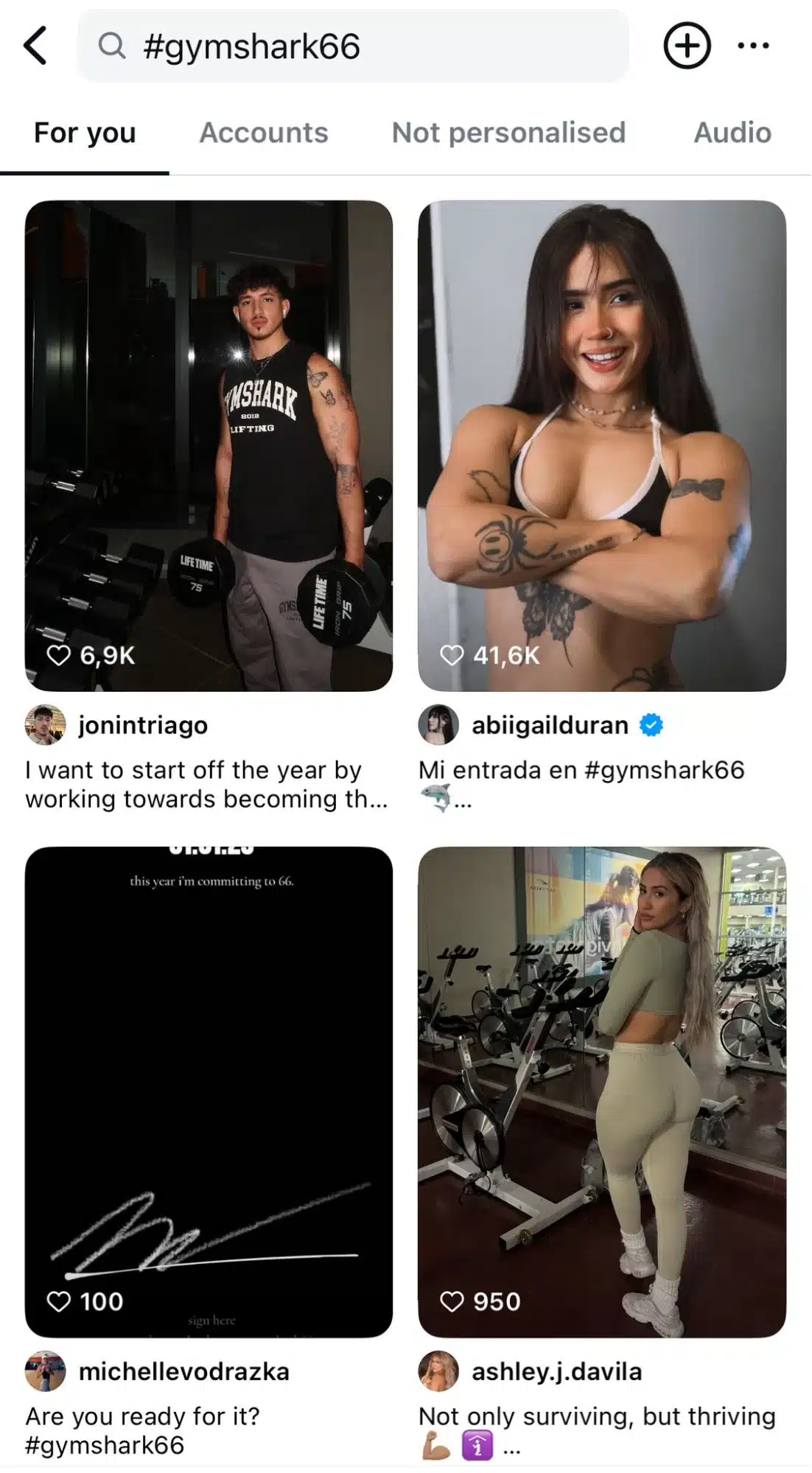
Giveaways work in a similar way when they’re relevant. Offering a free class, a free membership, a short personal training program, or a one-on-one session attracts people who are genuinely interested in your fitness services. Generic prizes may boost numbers, but they rarely bring in the right audience.
Visibility matters here. Pin a post explaining the challenge, remind people through Stories, and encourage participants to tag your account or use a branded hashtag. This makes participation visible and helps your fitness community grow organically.
8. Know when to keep social media in-house and when to get help
At some point, social media starts competing with the rest of your fitness business. What begins as “I’ll handle this myself” can turn into missed posts, unanswered messages, and rushed content because client sessions, classes, or programming always come first.
Doing your own social media makes sense early on. It helps you understand your audience, refine your voice, and test what type of fitness content resonates. But as your fitness business grows, the question becomes less about capability and more about capacity.
If you’re consistently short on time, social media tasks tend to be the first thing pushed aside. That’s usually the moment when bringing in help becomes practical, not optional. This doesn’t always mean hiring a full-time social media manager. Some fitness brands benefit from outside support from sports marketing agencies or social media specialists focused on planning, scheduling, and engagement, while they stay involved in fitness content ideas and on-camera work.
Before getting help, be clear on what you actually need. Some fitness businesses need support in keeping a consistent posting schedule. Others need help managing comments and messages so potential clients don’t fall through the cracks. The right support understands the fitness industry, communicates responsibly, and reports on outcomes that matter, such as inquiries, trial signups, or bookings.
