Close Menu
SkytikSkytik

    Subscribe to Updates

    Get the latest creative news from FooBar about art, design and business.

    What's Hot

    At Least 32 People Dead After a Mine Bridge Collapsed Due to Overcrowding

    November 17, 2025

    Here’s how I turned a Raspberry Pi into an in-car media server

    November 17, 2025

    Beloved SF cat’s death fuels Waymo criticism

    November 17, 2025
    Facebook X (Twitter) Instagram
    • About Us
    • Contact Us
    SkytikSkytik
    • Home
    • AI Tools
    • Online Tools
    • Tech News
    • Guides
    • Reviews
    • SEO & Marketing
    • Social Media Tools
    SkytikSkytik
    Home»SEO & Marketing»Pages Are Getting Larger & It Still Matters
    SEO & Marketing

    Pages Are Getting Larger & It Still Matters

    AwaisBy AwaisMarch 30, 2026No Comments3 Mins Read0 Views
    Facebook Twitter Pinterest LinkedIn Telegram Tumblr Email
    Google: Pages Are Getting Larger & It Still Matters
    Share
    Facebook Twitter LinkedIn Pinterest Email

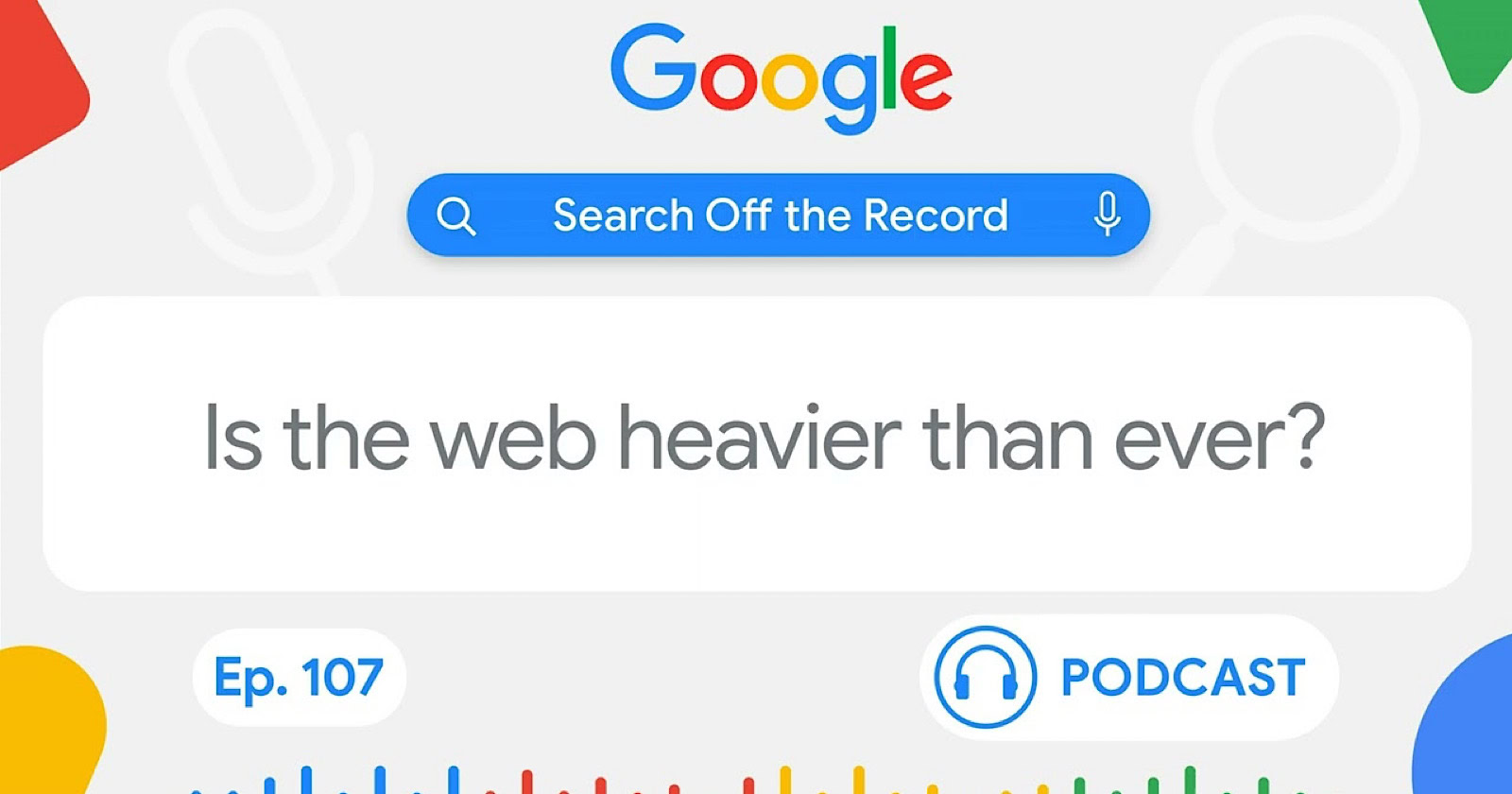
    Google’s Gary Illyes and Martin Splitt used a recent episode of the Search Off the Record podcast to discuss whether webpages are getting too large and what that means for both users and crawlers.

    The conversation started with a simple question: are websites getting fat? Splitt immediately pushed back on the framing, arguing that website-level size is meaningless. Individual page size is where the discussion belongs.

    What The Data Shows

    Splitt cited the 2025 Web Almanac from HTTP Archive, which found that the median mobile homepage weighed 845 KB in 2015. By July, that same median page had grown to 2,362 KB. That’s roughly a 3x increase over a decade.

    Both agreed the growth was expected, given the complexity of modern web applications. But the numbers still surprised them.

    Splitt noted the challenge of even defining “page weight” consistently, since different people interpret the term differently depending on whether they’re thinking about raw HTML, transferred bytes, or everything a browser needs to render a page.

    How Google’s Crawl Limits Fit In

    Illyes discussed a 15 MB default that applies across Google’s broader crawl infrastructure, where each URL gets its own limit, and referenced resources like CSS, JavaScript, and images are fetched separately.

    That’s a different number from what appears in Google’s current Googlebot documentation. Google states that Googlebot for Google Search crawls the first 2 MB of a supported file type and the first 64 MB of a PDF.

    Our previous coverage broke down the documentation update that clarified these figures earlier this year. Illyes and Splitt discussed the flexibility of these limits in a previous episode, noting that internal teams can override the defaults depending on what’s being crawled.

    The Structured Data Question

    One of the more interesting moments came when Illyes raised the topic of structured data and page bloat. He traced it back to a statement from Google co-founder Sergey Brin, who said early in Google’s history that machines should be able to figure out everything they need from text alone.

    Illyes noted that structured data exists for machines, not users, and that adding the full range of Google’s supported structured data types to a page can add weight that visitors never see. He framed it as a tension rather than offering a clear answer on whether it’s a problem.

    Does It Still Matter?

    Splitt said yes. He acknowledged that his home internet connection is fast enough that page weight is irrelevant in his daily experience. But he said the picture changes when traveling to areas with slower connections, and noted that metered satellite internet made him rethink how much data websites transfer.

    He suggested that page size growth may have outpaced improvements in median mobile connection speeds, though he said he’d need to verify that against actual data.

    Illyes referenced prior studies suggesting that faster websites tend to have better retention and conversion rates, though the episode didn’t cite specific research.

    Looking Ahead

    Splitt said he plans to address specific techniques for reducing page size in a future episode.

    Most pages are still unlikely to hit those limits, with the Web Almanac reporting a median mobile homepage size of 2,362 KB. But the broader trend of growing page weight affects both performance and accessibility for users on slower or metered connections.

    Larger Matters Pages
    Share. Facebook Twitter Pinterest LinkedIn Tumblr Email
    Awais
    • Website

    Related Posts

    How to Boost a Post on LinkedIn: Tips for Better Reach

    March 30, 2026

    Google removes Search Engine Land article after false DMCA claim

    March 30, 2026

    Google Ads Editor bug links structured snippet languages across accounts

    March 30, 2026

    TurboQuant Has The Potential To Fundamentally Change How Search (And AI) Works

    March 30, 2026

    How to build FAQs that power AI-driven local search

    March 30, 2026

    Why New Google-Agent May Be A Pivot Related To OpenClaw Trend

    March 30, 2026
    Leave A Reply Cancel Reply

    Top Posts

    At Least 32 People Dead After a Mine Bridge Collapsed Due to Overcrowding

    November 17, 20250 Views

    Here’s how I turned a Raspberry Pi into an in-car media server

    November 17, 20250 Views

    Beloved SF cat’s death fuels Waymo criticism

    November 17, 20250 Views
    Don't Miss

    How to Boost a Post on LinkedIn: Tips for Better Reach

    March 30, 2026

    Key Takeaways Boost posts that are already winning organically, not the ones you hope will…

    Explainable AI in Production: A Neuro-Symbolic Model for Real-Time Fraud Detection

    March 30, 2026

    Google removes Search Engine Land article after false DMCA claim

    March 30, 2026

    4 ways to automate Codex with Zapier MCP

    March 30, 2026
    Stay In Touch
    • Facebook
    • YouTube
    • TikTok
    • WhatsApp
    • Twitter
    • Instagram
    Latest Reviews

    Google Ads Editor bug links structured snippet languages across accounts

    March 30, 2026

    What it is and why your AI visibility depends on it

    March 30, 2026
    Most Popular

    13 Trending Songs on TikTok in Nov 2025 (+ How to Use Them)

    November 18, 20257 Views

    How to watch the 2026 GRAMMY Awards online from anywhere

    February 1, 20263 Views

    Corporate Reputation Management Strategies | Sprout Social

    November 19, 20252 Views
    Our Picks

    At Least 32 People Dead After a Mine Bridge Collapsed Due to Overcrowding

    November 17, 2025

    Here’s how I turned a Raspberry Pi into an in-car media server

    November 17, 2025

    Beloved SF cat’s death fuels Waymo criticism

    November 17, 2025

    Subscribe to Updates

    Get the latest creative news from FooBar about art, design and business.

    Facebook X (Twitter) Instagram Pinterest YouTube Dribbble
    • About Us
    • Contact Us
    • Privacy Policy
    • Terms & Conditions
    • Disclaimer

    © 2025 skytik.cc. All rights reserved.

    Type above and press Enter to search. Press Esc to cancel.