


6. Threads does not include Stories or Reels
Another important difference is the type of content formats each platform supports.
The Instagram enables users to publish formats designed for visually driven content, including Stories, Reels, carousel photos, and videos. These formats make Instagram a strong platform for visual storytelling and short-form video content.
The Threads app takes a simpler approach. Instead of focusing on multiple content formats, Threads is built around posts, replies, and ongoing conversation in the feed. Users can still share photos, videos, and links, but the platform doesn’t currently include features like Stories or Reels.
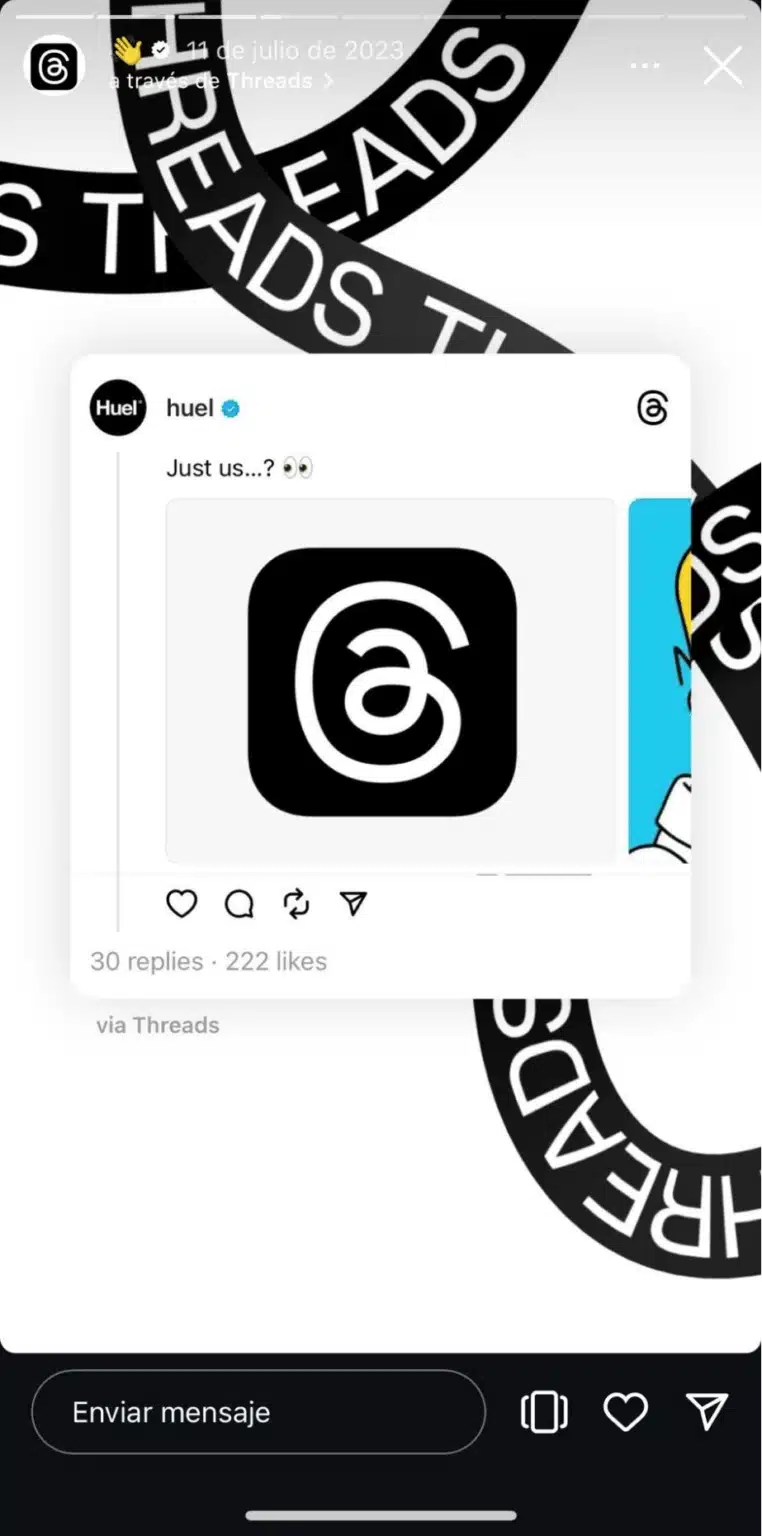
What you can do, however, given how connected Threads and Instagram are, is share a Threads post on your Instagram Story like in the example above.
7. Threads encourages more spontaneous posting
The tone of content on Threads tends to be more casual than on Instagram.
On Instagram, many accounts treat the feed as a curated portfolio. Posts are edited, formatted, and timed carefully because they represent the brand or creator long-term.
Threads works differently. Most users treat it as a place to share ideas quickly, react to what’s happening, or start a discussion.
Because of that, the pressure to make every post look perfect is much lower. You can simply share something you’re thinking about and see how people respond.
That said, Threads isn’t limited to small conversations. Posts can still spread widely depending on the topic and how people engage with it. But the culture of the platform generally rewards discussion and replies, not perfectly produced content.
8. Instagram offers more editing and customization options
Instagram includes a wide range of editing tools that allow users to adjust photos, enhance videos, add effects, and design more elaborate posts. Stories also include features like stickers, polls, music, and text overlays, which make it easy to create more interactive updates.
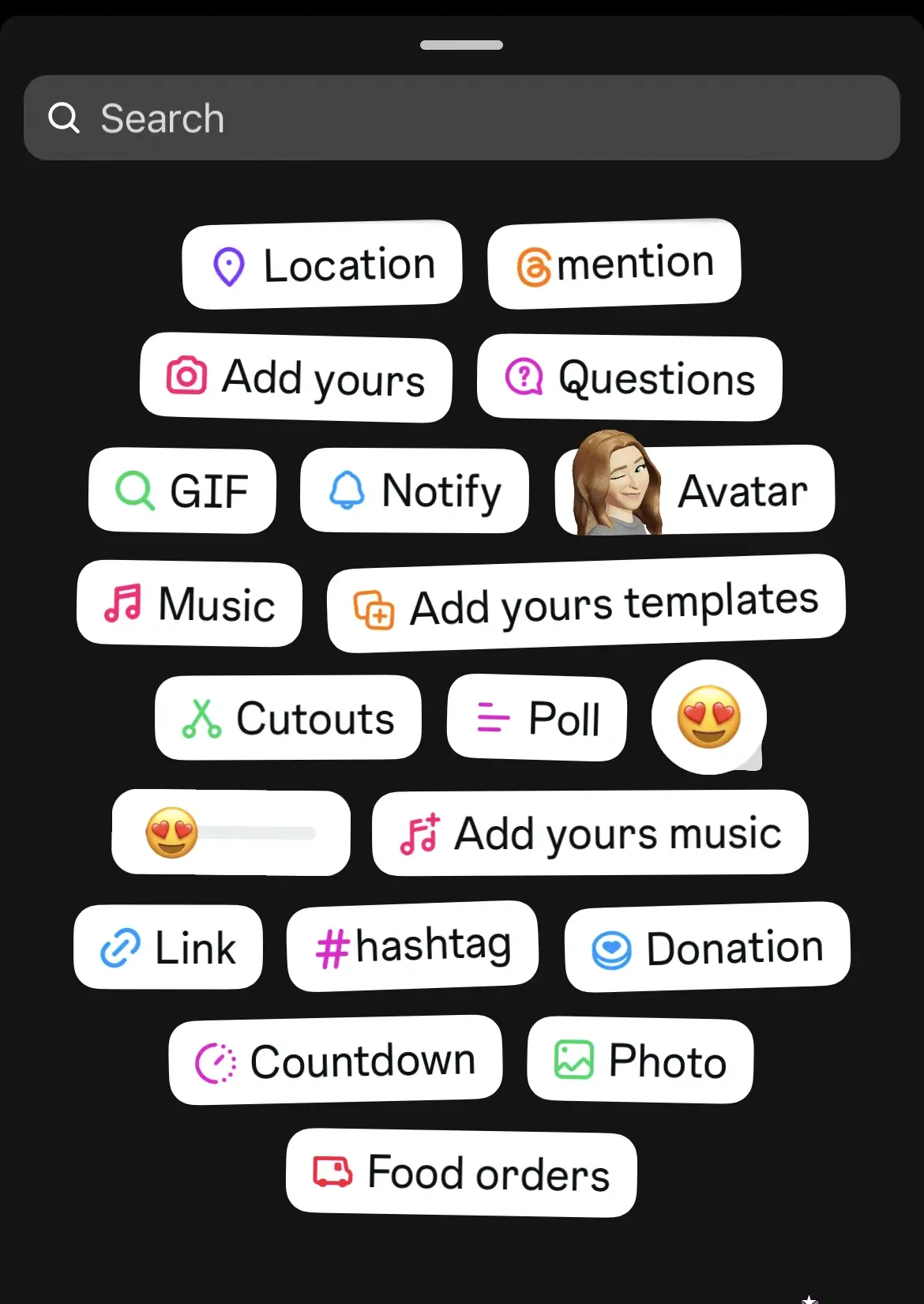
These tools are part of the reason many creators treat their Instagram accounts like a curated portfolio. Brands, photographers, and lifestyle creators often rely on these features to maintain a consistent visual identity and make their content stand out in the feed.
Threads keeps things much simpler. You can still add photos, videos, and links, but the editing options are minimal compared to Instagram.
In practice, this difference affects how people choose where to post.
If the goal is to publish carefully designed content that reflects a brand style, Instagram usually makes more sense. If the goal is to share an idea, start a discussion, or react to something happening right now, Threads is often the easier place to do it.
9. Threads doesn’t support paid ads (yet)
Threads currently doesn’t offer traditional advertising. Businesses can’t promote posts or run campaigns the way they can on Instagram, where brands rely on different ad formats to reach new audiences.
Instead, the platform focuses on public conversations and organic engagement. Posts spread through replies, reposts, and discussion rather than paid promotion.
That doesn’t mean businesses can’t collaborate with creators. Threads includes a paid partnership label that allows influencers and brands to disclose sponsored content transparently. This makes it possible to share sponsored posts while keeping the conversation format of the platform intact.
For marketers, the difference mainly affects how reach is generated. Instagram allows companies to scale visibility through ads, while Threads relies more on participation in discussions and timely posts that resonate with users.
10. Threads doesn’t offer audience controls like Close Friends
Instagram includes tools that let you control who sees certain content. One example is the Close Friends feature, which allows you to share Stories with a smaller group instead of your entire audience.
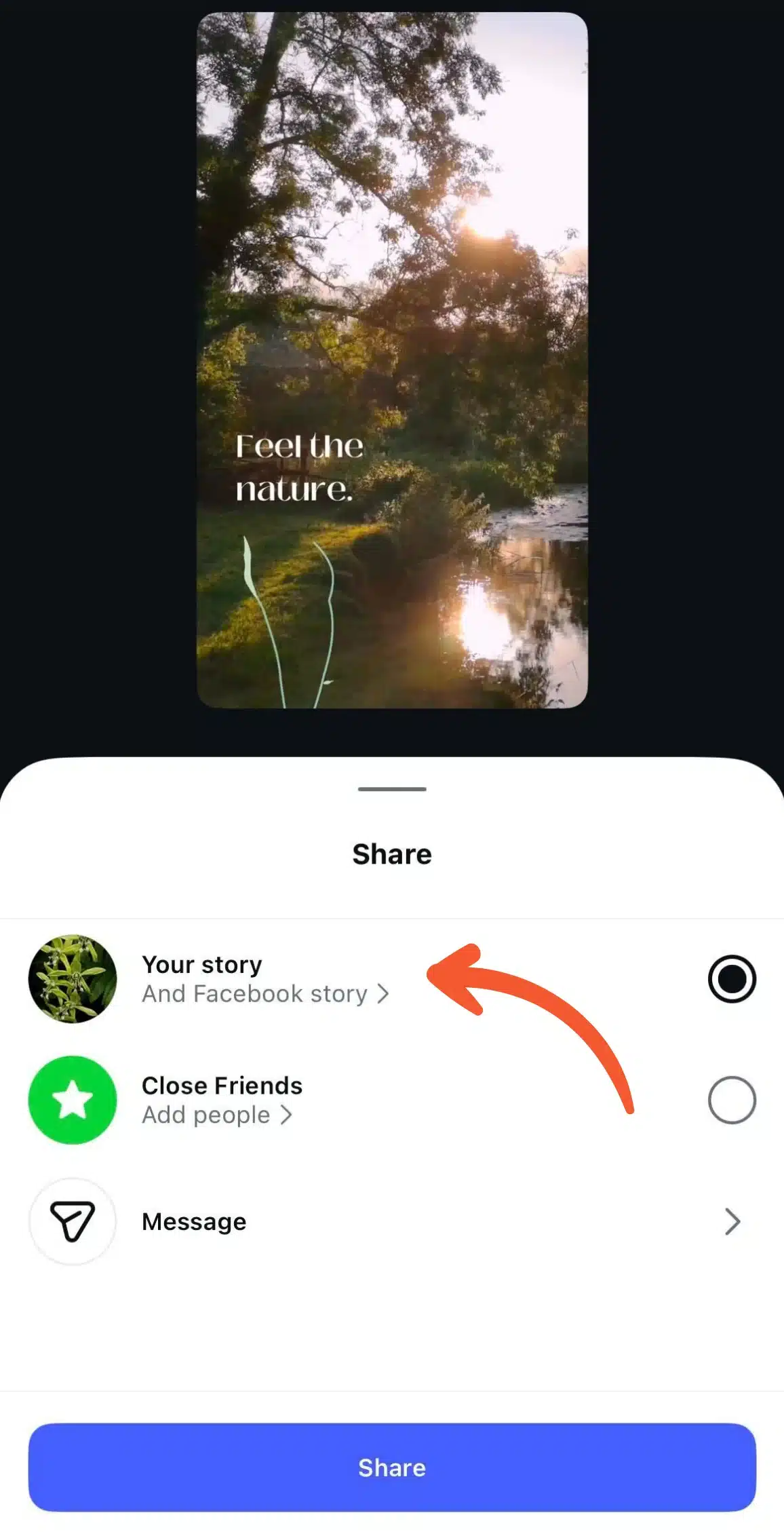
This can be useful for creators who want to post updates for loyal followers, collaborators, or a specific community without broadcasting the content to everyone who follows their Instagram account.
Threads doesn’t currently include similar audience controls. Posts are visible to all followers, and the platform doesn’t provide options for limiting content to smaller groups.
Because of this, most Threads posts are shared openly with your full audience. If a creator wants to publish something more selectively, they typically use Instagram Stories or other platforms that offer more control over who sees a post.
11. Threads uses a single hashtag per post
Threads posts usually include one hashtag, while Instagram posts often include several. On Instagram, stacking hashtags is a common way to reach multiple communities at once.
On Threads, the approach is different. Because you only use one hashtag, it works more like a topic label for the post. The tag signals what conversation the post belongs to rather than acting as a list of discovery keywords.
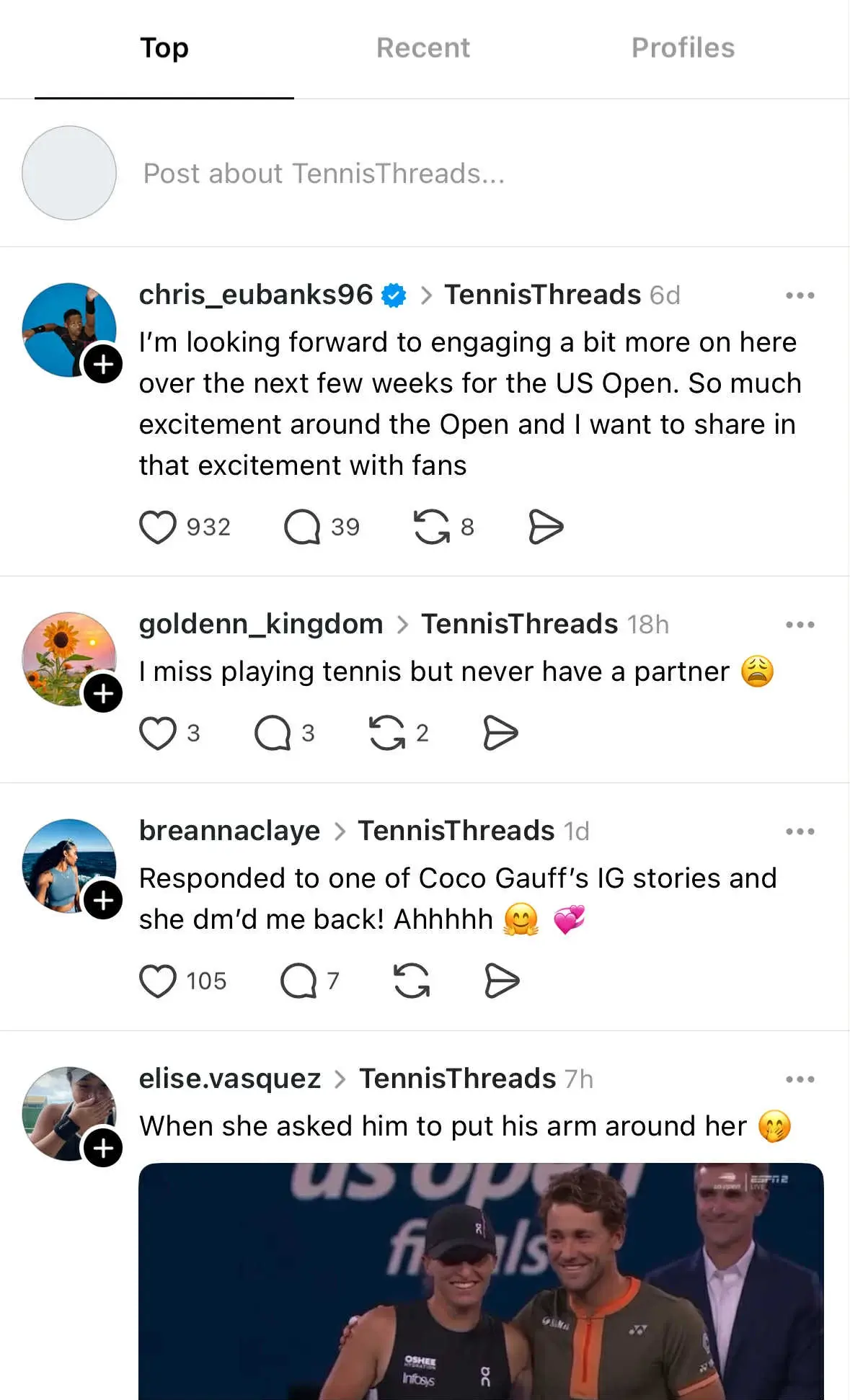
Threads also lets you include spaces or emojis inside hashtags, which gives them a more natural, conversational feel.
12. Instagram has an in-app camera for quick videos
Instagram makes it easy to record videos or capture photos without leaving the app. The in-app camera lets you film a Story, Reel, or regular post immediately, apply filters, and publish it in seconds.
Threads doesn’t include a recording camera. If you want to post a video, you need to film it first and then upload it when you create a post.
It’s a small workflow difference, but it affects how quickly you can share something happening in real time. Instagram is built for capturing moments instantly, while Threads is more focused on sharing thoughts, replies, and conversations after the fact.
13. Threads supports voice notes as posts
Threads also lets you publish voice notes instead of typing a post. You can record a short audio message that appears in the feed and plays directly in the thread.
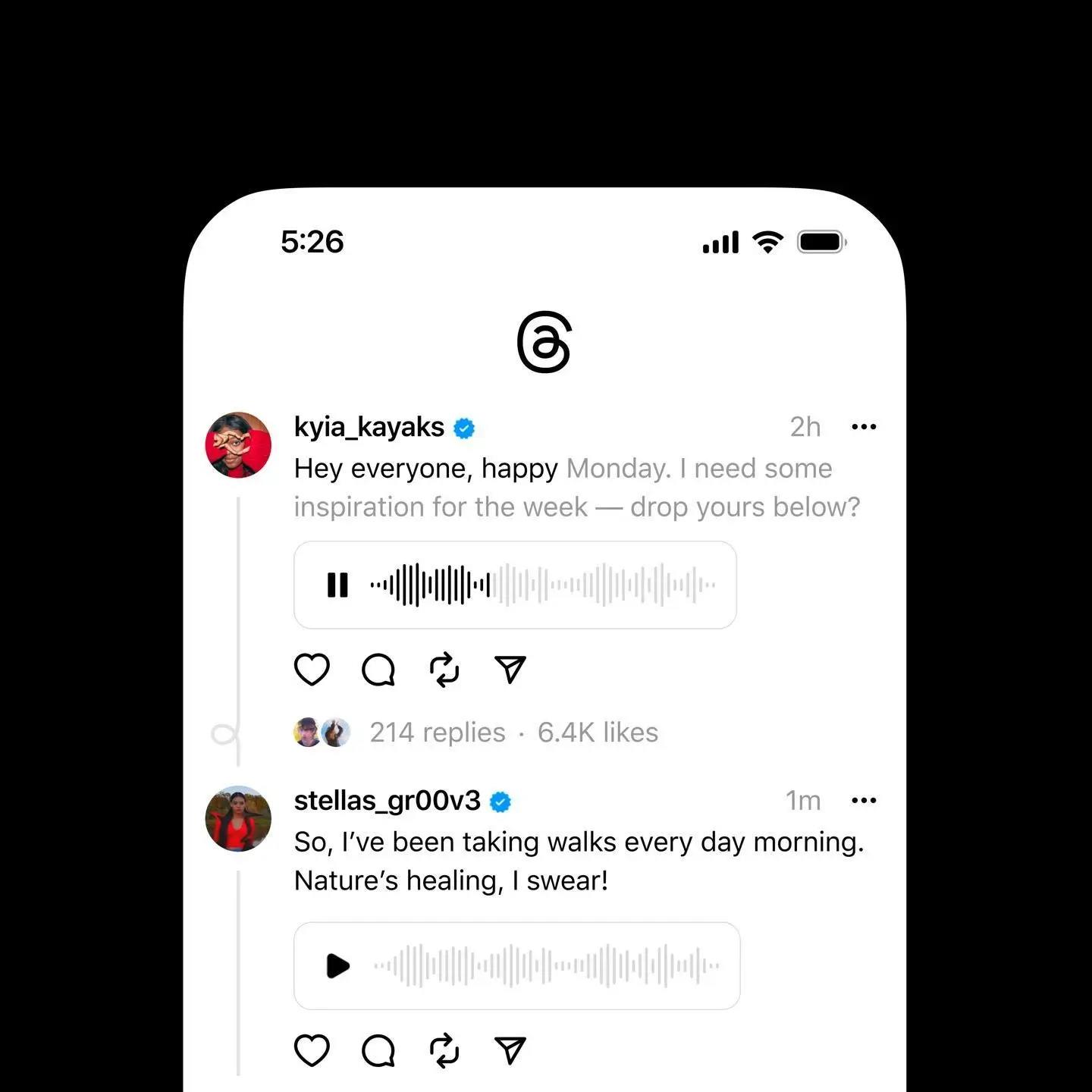
Some creators use voice posts to share quick reactions, explain an idea, or add personality that text can’t capture.
At the same time, audio posts work differently from text. People can’t skim them the way they can scan a paragraph or a link, which means listeners need to pause and play the recording. That changes how people engage with the post and when they choose to listen.
Threads vs Instagram: which one should you choose?
Choosing between Threads and Instagram isn’t really about picking one platform over the other. The two apps are designed for different types of content and interaction, which means they often work best when used together.
Instagram is built for visual content. If your strategy relies on photos, videos, Stories, or carefully designed posts, Instagram will likely remain your main platform. It’s also where many brands invest time building a recognizable presence and attracting Instagram followers through consistent visuals.
Threads fills a different role. The platform is designed for short posts, replies, and public conversations that happen in real time. Instead of planning every detail of a post, users often share quick thoughts, react to trending topics, or start discussions with their audience.
Because of this difference, many creators use the platforms side by side:
- Instagram becomes the place for polished posts, visual updates, and longer-term content.
- Threads becomes a positive and creative space for reactions, commentary, and conversation.
For example, a creator might publish a polished product photo or video on Instagram, then use Threads to talk about the idea behind it, ask followers for feedback, or continue the conversation after the post goes live.
In other words, Instagram helps you show your work, while Threads helps you talk about it.
The future of Threads
Threads has grown quickly since its launch, and the numbers suggest it’s becoming a permanent social media pit stop for brands rather than a short-lived experiment.
The platform reached over 400 million monthly active users by 2025, with more than 115 million people using the app daily. That growth is remarkable considering the Threads app launched in 2023 and passed 100 million sign-ups within just a few days, making it one of the fastest-growing apps ever.
Two factors largely drive this momentum. First, Threads is tightly connected to the Instagram app, which makes it easy for Instagram users to create a Threads account and immediately connect with people they already follow. Second, Meta has been steadily adding new features and testing monetization options like ads and partnerships as the platform matures.
At the same time, Threads is still evolving. Engagement patterns are different from older platforms, and the long-term success of the network will depend on whether conversations remain active and creators keep posting consistently.
“I think how we set the culture for Threads early on in terms of being a more positive, friendly place for discussion will hopefully be one of the defining elements for the next decade as we scale it out,” says Mark Zuckerberg.
For now, the trend is clear: Threads aims to become a serious direct competitor in the text-based social space and a go-to platform for users who want a place to share quick ideas, react to trending topics, and participate in ongoing discussions.
Frequently asked questions
1. What’s the difference between an Instagram post and a Thread?
Instagram posts are visual-first, built around photos, videos, carousels, Stories, and Reels designed to create a polished feed. Threads posts focus more on text updates, quick thoughts, and public conversations. While it still supports images, videos, and links, the platform is primarily designed for discussion and real-time interaction rather than curated visual content.
2. Do I need an Instagram account to create a Threads profile?
Yes. To create a Threads profile, you need an existing Instagram account. When you sign up for the Threads app, you log in using your Instagram credentials, which allows you to import your profile picture, username, and connect with your existing Instagram followers automatically. This integration makes it easier for Instagram users to start using Threads without building a new audience from scratch.
3. What are the key differences between X (Twitter) and Threads?
X (formerly Twitter) and Threads are both text-focused social media platforms, but they differ in ecosystem and user experience. Threads is a public conversations app in the Meta ecosystem, closely integrated with Instagram, and emphasizes conversation, replies, and community discussions.
X operates as a standalone platform with features like trending topics, advanced search, and established monetization tools. Instagram Threads is still evolving with new features, while X has a longer history and a more mature platform structure.
Ready to make the most out of both social media platforms?
Instagram and Threads serve different roles in the social media ecosystem. Instagram is built for visual content like photos, videos, Stories, and Reels, while Threads focuses more on quick updates, conversations, and sharing ideas in real time.
For many creators and brands, the best approach is understanding how each one fits into your content strategy. Instagram helps you showcase polished content and reach new audiences, while Threads gives you a space to start discussions, react to trending topics, and connect with your community in a more conversational way.
Managing both platforms consistently can take time, especially if you’re juggling multiple accounts and posting manually. A social media management tool like SocialBee helps simplify the process by letting you plan, organize, and schedule posts across platforms from one place.
Start your 14-day free SocialBee trial and see how easy it is to manage your social media strategy.
