


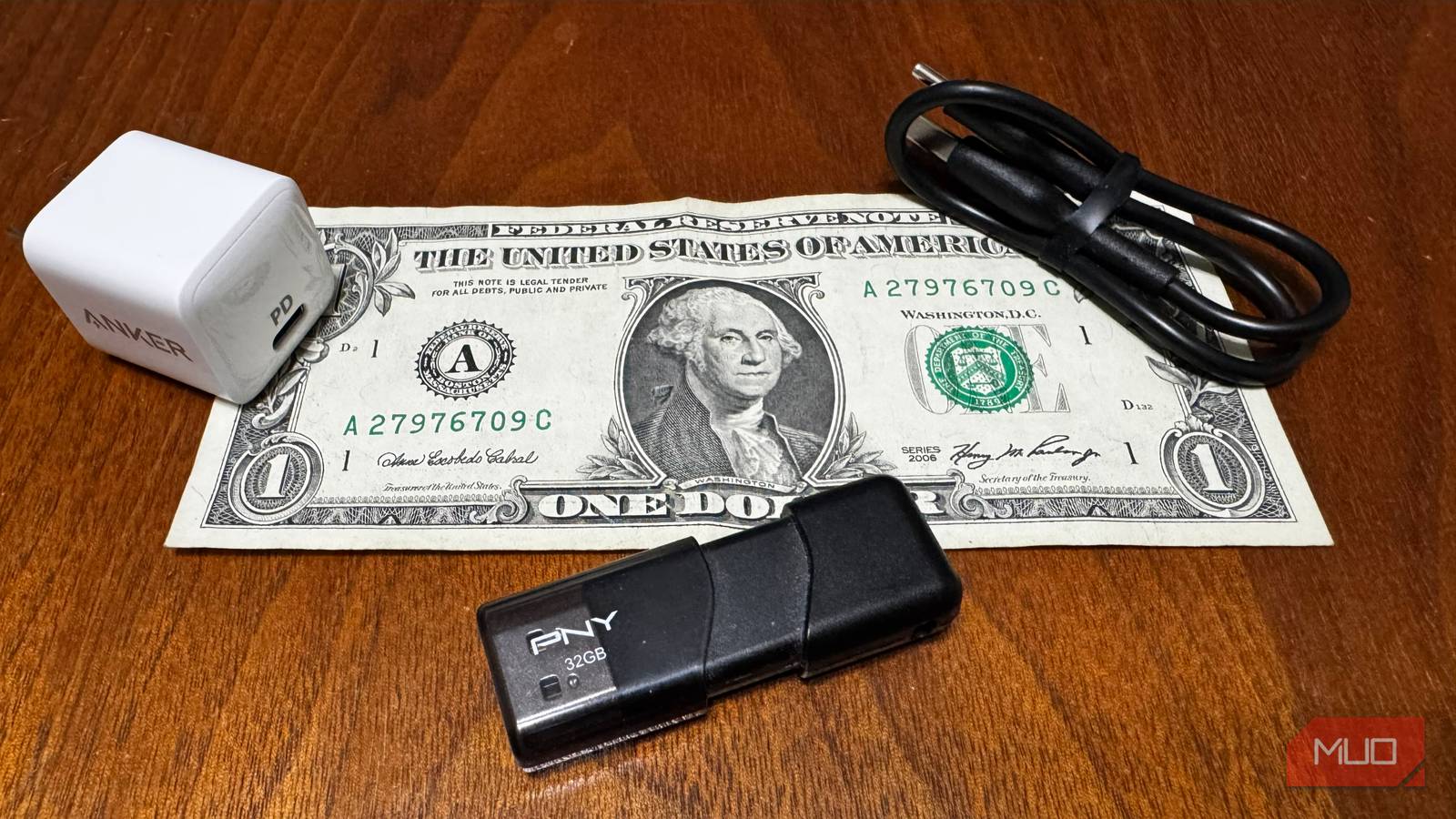
We’ve all seen those USB flash drives, headphones, and other techy goods at a dollar store, gas station, or similar cheap retailer. And while it can be tempting to give them a try—even if out of curiosity—there are certain items you shouldn’t bother with buying at discount stores.
Save your money, avoid a bad experience with terrible products, and keep yourself safe by avoiding tech junk from a dollar store or other discount retailer.
Headphones, speakers, and other audio devices
Louder, but not clearer

You can likely intuit that bottom-dollar audio equipment isn’t worth using. Headphones under $10 cut every corner possible to achieve the price, and you’ll notice those compromises in everything from the build to the audio quality.
While many ultra-cheap earbuds are wired, you’ll also see wireless pairs (since many “dollar stores” now sell items up to $5 or even higher). Expect pitiful sound quality that’s not much better than your phone’s speakers, terrible battery life, and the product falling apart or breaking before long.
Cheapo earbuds or speakers can work in an emergency, like if you forget your headphones on a road trip. But otherwise, these don’t provide a pleasant experience. Brands like Anker Soundcore sell earbuds and speakers for around $30 that are worlds better than anything at the dollar store. And they’ll last you a lot longer, too.
USB flash drives
Slow and unreliable

You might be tempted to pick up a cheap flash drive for its hidden uses, or to have extra storage. But you shouldn’t bother with flash drives at dollar stores or other non-tech retailers like drugstores.
Drives sold at these places provide a poor experience for several reasons. Most are old USB 2.0 drives, which are painfully slow compared to USB 3+ standards. Like almost everything else sold at a dollar store, the build quality is atrocious. These flash drives can quickly stop working, become corrupted, or have similar problems, resulting in you losing the files stored on them.
Finally, they’re not a good value for money, which is a problem with lots of dollar store stock. While I couldn’t find any flash drives on the websites of my local dollar stores, Walgreens provides a good example. It’s currently selling a 16GB USB 2.0 flash drive for $22, which is a terrible value.
For comparison, Amazon sells a 128GB Samsung USB 3.0 drive for $15. Even if you need it ASAP, buying a storage drive at a dollar store or drugstore provides no benefits. You’ll get a better value at Walmart or somewhere else with a dedicated electronics section.
Cables and chargers
Slow charging with a chance of fire
Cheap cables and charging plugs have many of the same issues as low-quality earbuds, plus they have the potential to damage your devices.
High-quality charging cables are confirmed to meet certain standards, and many modern USB-C cables have additional technology inside to make sure they communicate with the device properly. You can’t expect this from ultra-cheap cables, so it’s not worth risking your device and your safety.
A cheap cable might only be an inconvenience, charging your device slowly. On the other extreme, it could damage your battery or even start a fire. Unless you need to charge your phone in an emergency, keep yourself safe and your device in good shape by using trustworthy cables.
A pack of good USB-C chargers isn’t expensive, even if you want long cables. I recommend buying several so you can keep one in your car, travel bag, and other places where you’ll frequently need to charge.
Batteries
They won’t keep going and going

The issues with cheap batteries aren’t as immediately clear as they are with low-priced electronics. When an 8-pack of name-brand batteries costs $10 at a store like Target, a 4-pack of batteries for a dollar has appeal.
What’s not immediately clear, though, is that these batteries are usually carbon-zinc, which are inferior to the alkaline batteries you’re used to. Carbon-zinc batteries are OK for low-drain devices like clocks or TV remotes, but have awful performance in anything that pulls more power. It’s a miserable experience to use them in Xbox controllers, cameras, or powerful flashlights.
Amir’s exploration of battery codes is a read on this topic that’s well worth your time. In short, you’ll get more battery life by purchasing better batteries. Rechargeables are a good option if you use AA or AAA batteries regularly.
Don’t forget to check the shelf life of batteries if you plan to keep them for a long time!
Phones or tablets
F-tier performance

While you won’t see phones at the ultra-cheap stores like Dollar Tree, many discount stores with “dollar” in the name sell more expensive goods. For example, Dollar General’s website has several smartphones available under $100.
As you’d expect, these phones aren’t pleasant to use. They have a suffocating amount of storage (64GB or under) and are likely running an Android version that’s wildly outdated. Like a super-cheap laptop, the screens of such phones are hard to see, and low RAM means multitasking performance is awful.
Further, phones sold at Dollar General are locked to Total Wireless. This means you don’t have a choice of which carrier you use, unless you wait and go through the carrier unlock process.
Like the other products we’ve talked about, a cheap phone can serve as an emergency burner or backup when you have no other options. But you should never use a phone like this as your primary device; saving up for a solid phone at a lower price point is a much better use of money.
Dollar stores aren’t better for everything
Other items related to tech are also best avoided at discount stores. You shouldn’t buy anything related to power, like extension cords or outlet extenders, as they’re unlikely to meet safety standards. Even accessories like phone stands will likely be more trouble than they’re worth—not supporting your phone’s weight or being inconvenient to twist around.
Shopping at the dollar store is great when you only need a small quantity of something (like medicine), or for items that are overpriced at other stores (like greeting cards). But it’s important to remember these stores are the opposite of wholesale clubs: you pay more per unit because you’re buying less at once.
And at stores where offering the lowest possible price is paramount, your money isn’t going to get you anything other than the bare basics. For tech that you want to last a long time and provide a good experience, that’s a recipe for bad times.
