


What are brand partnerships?
Brand partnerships are collaborations where two or more brands work together on something shared. That might be a product, a campaign, or a piece of content meant to travel across platforms.
You see this a lot in co-branded product drops, capsule collections, and limited releases. It also shows up in digital work, like a social campaign, a co-created product, or content designed to spread through feeds and stories. The brands involved share audiences, creative input, and distribution.
In 2025, many brand partnerships became part of everyday online culture. People talked about them, reposted them, and added their own takes through user-generated content (UGC). That kind of reach is closely tied to the evolution of the telephone to smartphone technology, which makes real-time interaction between brands and audiences feel normal and constant.
What makes a brand partnership go viral?
A brand partnership goes viral when the collaboration fits naturally into how people discover, share, and buy products online.
Strong brand collaborations start with alignment. Two brands with compatible brand values and a shared target audience decide to work together in a way that feels clear and easy to understand. This is where co-branding performs well. Each brand keeps its identity, while the combined offer makes sense to people seeing it for the first time.
Execution and distribution matter just as much as the idea. Many successful brand partnerships are built with social media as the primary channel. Short-form content, creator amplification, and community reactions help a marketing campaign move quickly across platforms. When brands plan for this from the start, the collaboration reaches new audiences beyond existing customers.
Business models can influence how fast a partnership scales. For example, a dropshipping brand can partner with a more established brand to test a co-branded product or launch a limited release with lower upfront risk. In this setup, the collaboration benefits from speed and flexibility without becoming dependent on long production cycles.
The brand partnerships that spread the furthest combine clear co-branding, coordinated digital marketing, and execution that supports demand. Two brands share distribution, visibility, and trust, which allows the collaboration to gain momentum and stay relevant after launch.
Top brand partnership examples that went viral in 2025
These brand partnerships examples went viral in 2025 because they fit naturally into how people already consume content, follow creators, and talk about brands online. None of these brand collaborations relied on shock value alone. Each one worked because two or more companies understood their target audience, respected brand values, and built marketing campaigns that were easy to participate in on social media.
What follows are brand collaboration examples that generated real traction, reached new audiences, and strengthened brand equity in the process:
- Pinterest × Chamberlain Coffee
- Formula 1 × KitKat
- Coca-Cola × Owala
- Katseye × Gap
- Felix × Gong Cha
1. Pinterest + Chamberlain Coffee
Pinterest and Chamberlain Coffee launched a salted toffee coffee flavor. The collaboration introduced a product that matched the vibe both brands already had online: calm visuals, routine content, and shareable packaging.
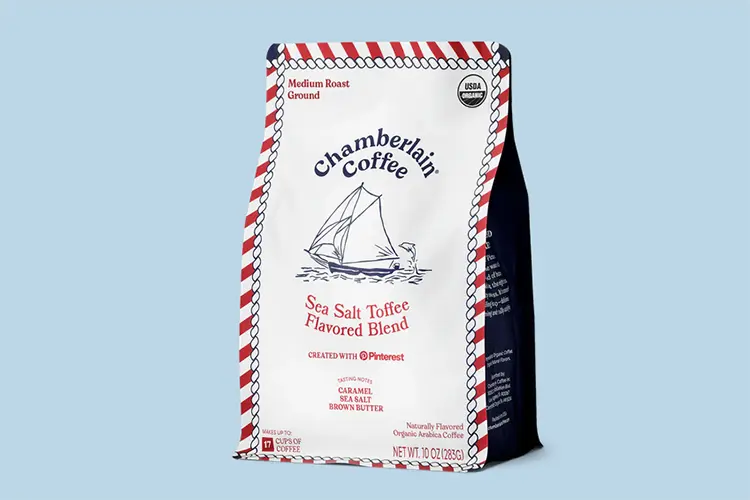
It landed with the target audience because people already use Pinterest to collect drink ideas, recipes, and lifestyle inspiration, and Chamberlain Coffee already shows up in that same content loop.
The detail that made this one travel was the story behind it. The collaboration introduced the flavor as something developed by Pinterest’s communications team, which made it news-friendly. That angle gave writers and creators a clean storyline to repeat, and it helped the brand collab stand out among new brand collaborations.
This is one of the best brand collaborations because Pinterest treated its own platform as the launch engine. The pins and boards were not filler. They were part of the marketing campaign. The partnering brand also benefited from Pinterest’s discovery mechanics, which helped reach new audiences.
What marketing teams can do
- Define the target audience in one sentence before you design anything
- Pick complementary brands where the audience already shares habits
- Build one clear story for how the collaboration introduced the product
- Use a co-branding partnership approach where both brands stay recognizable
2. Formula 1 + KitKat
Formula 1 and KitKat launched limited-edition KitKat bars and packaging tied to the F1 season, supported by race-weekend content and visibility around the sport. This is the kind of brand collab that works because it’s simple to spot and easy to understand. It also avoided confusion because the brands were not direct competitors.
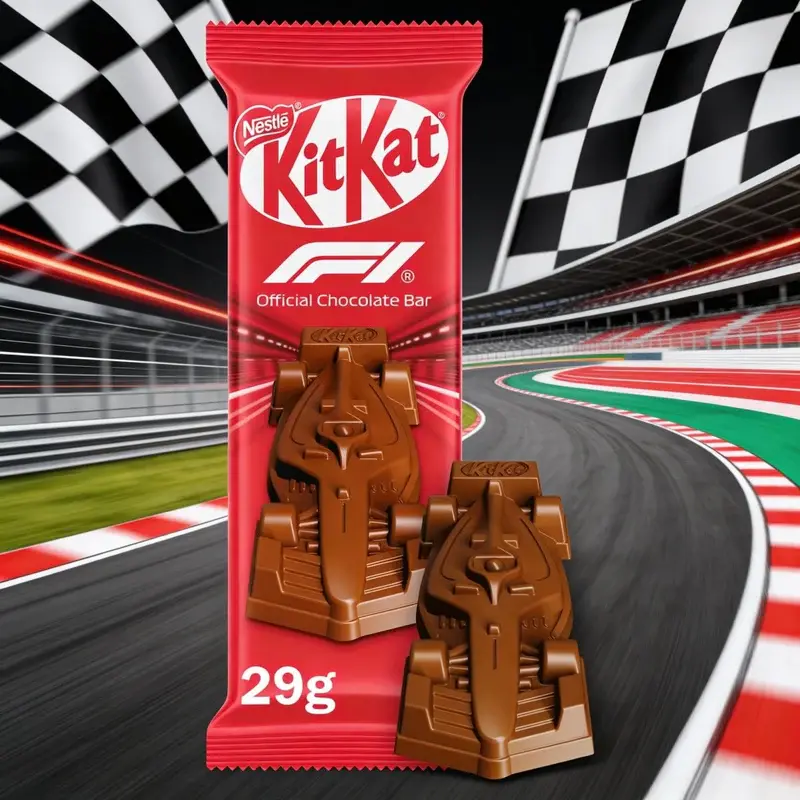
The campaign showed up in retail and online at the same time, so fans saw it repeatedly. That repetition helped the marketing campaign stick. It also gave both brands a clean way to combine audiences. This type of execution tends to boost sales when distribution is tight and the visuals are consistent.
This partnership also sits neatly in the “strategic partnerships” bucket: broad audience overlap, global reach, and a campaign that can scale.
What marketing teams can do
- Make sure the partnership does not involve direct competitors
- Build joint marketing campaigns with both online and retail touchpoints
- Keep the creative clear enough that people understand it in one glance
- Treat the rollout as a co-marketing campaign, with shared assets and shared timing
3. Coca-Cola + Owala
Coca-Cola and Owala launched limited edition products: Diet Coke Owala bottles.
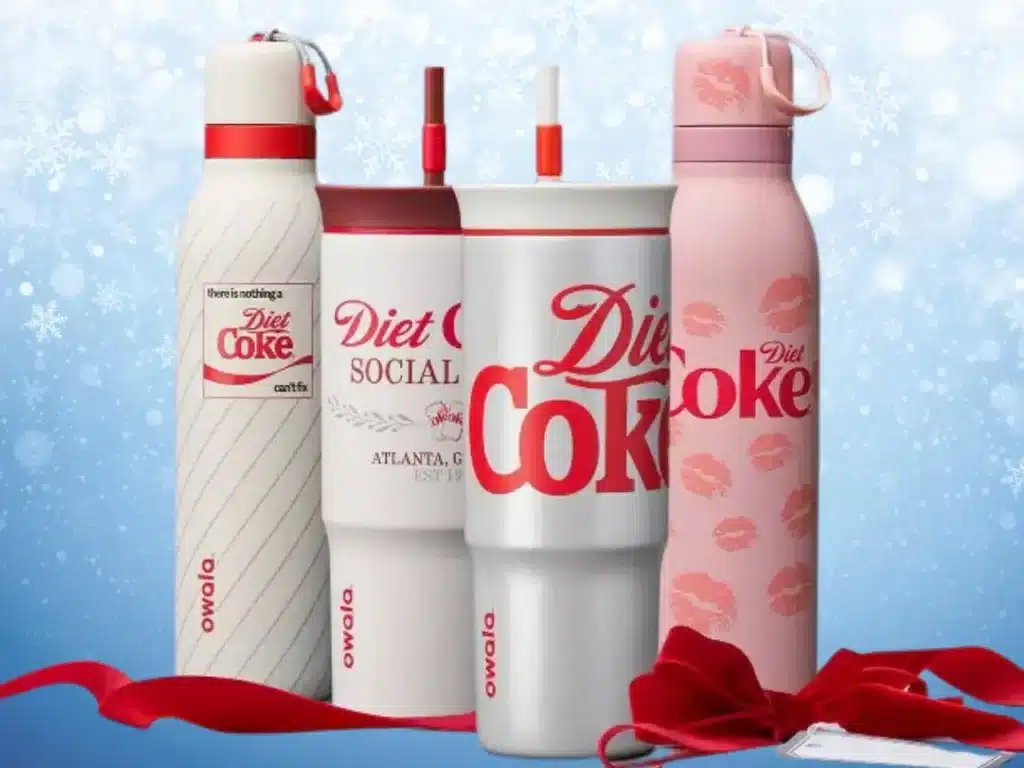
The bottle itself was the content. People shared it because it looked good in daily routine videos, desk setups, and haul clips. Owala already had a strong presence among younger consumers, and Coca-Cola brought the scale of a successful brand.
The scarcity created urgency, but the design created sharing. That’s why this one became one of the successful brand collaborations that kept circulating even after the initial drop. It also brought new customers into Owala’s ecosystem and gave Coca-Cola a stronger connection to the lifestyle angle.
This is a great brand collaboration because it built brand equity for both sides. Owala got legitimacy through association with a best brand in global beverage. Coca-Cola got fresh cultural placement.
What marketing teams can do
- Design limited edition products that look good on social media
- Decide where you want new customers to come from before launch
- Plan the drop schedule like a marketing strategy, not a logistics task
- Track which creators are driving reach, then double down quickly
4. Katseye + Gap
Gap’s brand collab with Katseye landed at the intersection of music, fandom, and everyday style. The collaboration launched as a denim-focused marketing campaign built around performance, movement, and repetition rather than a single hero visual.
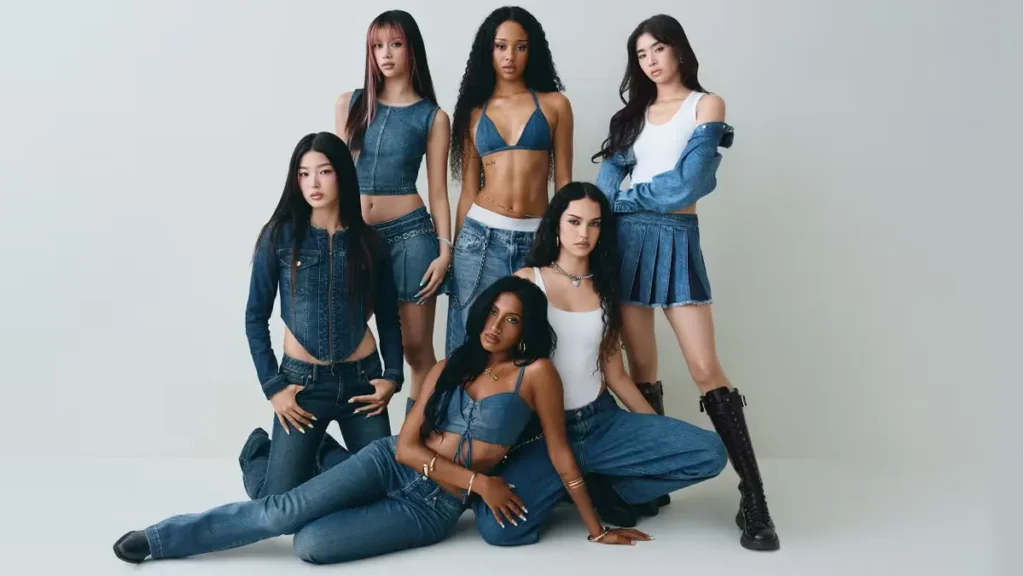
Instead of leading with polished ads, the fashion brand released a steady flow of content that mirrored how fans already consume pop culture on social media.
The campaign included styled denim looks worn by Katseye members, performance clips, behind-the-scenes footage, and short-form videos designed specifically for social media platforms. These assets were distributed gradually, which kept the collaboration visible over time rather than peaking on day one.
What made this one of the more successful brand collaborations of the year was how clearly roles were defined. Gap provided the wardrobe and structure. Katseye brought energy, fandom, and distribution. The brands created content that fans could easily remix, repost, and recreate. Dance clips, outfit styling videos, and fan edits travelled far beyond Gap’s existing audience.
This brand collaboration also worked as a way to enter new markets. Katseye’s global fanbase introduced the fashion brand to new audiences who may not have actively followed Gap before. The collaboration functioned as a soft introduction rather than a hard sell, which helped maintain brand recognition without forcing repositioning.
Among brand collaboration examples in the fashion world, this stands out as a great brand collaboration because it relied on influencer collaborations at scale rather than a single spokesperson. It also showed how companies collaborate effectively when one brand focuses on product and the other focuses on cultural reach.
What marketing teams can do
- Treat influencer collaborations as a content system, not a single post
- Release campaign assets in phases to extend visibility
- Build brand collabs around behaviors fans already repeat
- Use social media as the primary distribution layer
5. Felix + Gong Cha Bubble Tea
Felix partnering with Gong Cha became one of the most visible brand collaboration examples of the year because it turned a simple menu launch into a shared ritual.
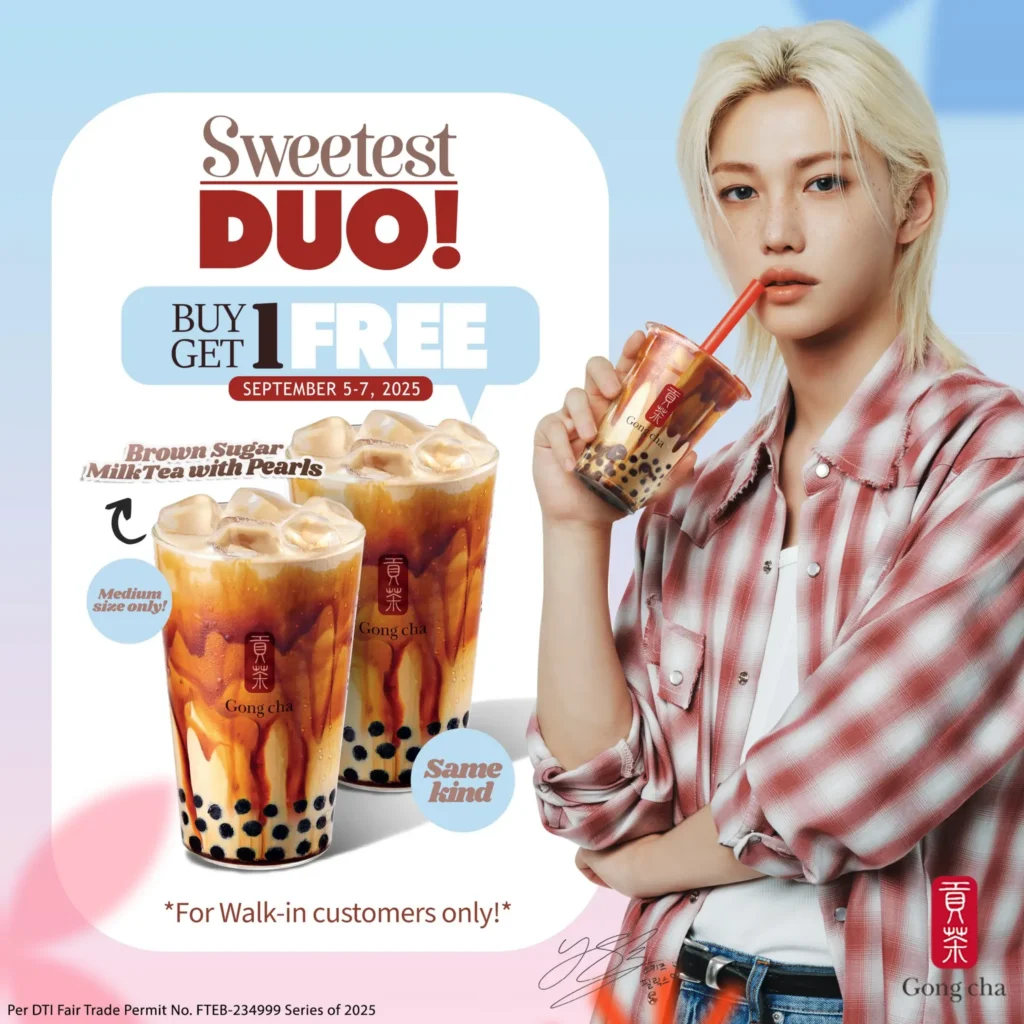
The collaboration introduced limited-time bubble tea flavors tied directly to Felix, available only in selected locations. That limitation mattered. Fans knew where to go, what to order, and what to film.
This brand collab relied on physical presence. Fans travelled across cities to try the drinks, queueing at stores and documenting the entire experience on social media. Reviews, first-sip reactions, and location tags flooded multiple social media platforms within days of launch. The product itself acted as the marketing campaign.
This worked because the partnering brand understood fandom behavior. Gong Cha did not over-design the offer. The cups, menus, and store visuals were clear and easy to recognise on camera. Felix’s content aligned with store availability, which kept momentum high and avoided frustration.
Among successful brand collaborations, this one stands out because it blended influencer collaborations with retail partnerships. It reached new markets through fan movement, not paid placement, and brought in new customers who may not have engaged with the brand otherwise.
This was a successful partnership because it respected how fans already communicate, travel, and share.
What marketing teams can do
- Build brand collabs around physical experiences people want to document
- Align influencer posting schedules with product availability
- Design in-store visuals for filming, not just decoration
Emerging trends in the best brand collaborations of last year
Looking at the brand collaboration examples that performed best in 2025, a few patterns show up consistently. These were not isolated wins. They reflect how brands adjusted their marketing strategy to match how people discover and share content today.
Here are some emerging trends from the most innovative brand partnerships of 2025:
- Product-led collaborations outperformed campaign-led ones
- Distribution was planned before messaging
- Brands avoided forced pairings
- Short-term launches turned into repeatable structures
1. Product-led collaborations outperformed campaign-led ones
Many of the best brand partnerships last year launched something tangible. A product, a menu item, a physical experience, or a format people could interact with. These collaborations worked because there was a clear outcome tied to the marketing campaign, not just awareness.
In several successful brand collaborations, the collaboration introduced a product that naturally fit into everyday routines. That made it easier for people to talk about it on social media without feeling like they were promoting an ad.
This also helped brands reach new audiences without re-educating them. The product did the explaining.
2. Distribution was planned before messaging
The strongest marketing campaigns in 2025 were designed around where content would live, not how it would sound. Social media was treated as the primary channel, not a follow-up step.
Brand partners worked backwards from distribution. They planned formats that would travel well, show up in feeds repeatedly, and encourage reposting. That approach helped campaigns reach new audiences while still serving loyal customers.
This is where digital marketing choices mattered most. Teams that designed content for specific platforms saw stronger results than those repurposing ads after launch.
