



Since Elon Musk took over Twitter, or X as it’s now called, a number of alternative platforms have emerged to capture users who have been leaving.
Some focus on tight-knit communities, while others aim to match or exceed Twitter’s original reach.
One popular option is Bluesky. It’s a decentralized social network built on the AT Protocol. The platform has seen steady growth and frequent updates since launch, making it an intriguing choice for people seeking alternatives to X. Because it’s open source, developers can propose changes and potentially shape the platform’s future.
What is Bluesky?
Bluesky is a free, decentralized social network started by Jack Dorsey, the former Twitter CEO. Built using the AT Protocol, it aims to let anyone host their own server while still staying connected to the broader Bluesky network. Here’s what sets it apart:
- Decentralized setup for user autonomy
- Open-source code for transparency
- Community-driven development
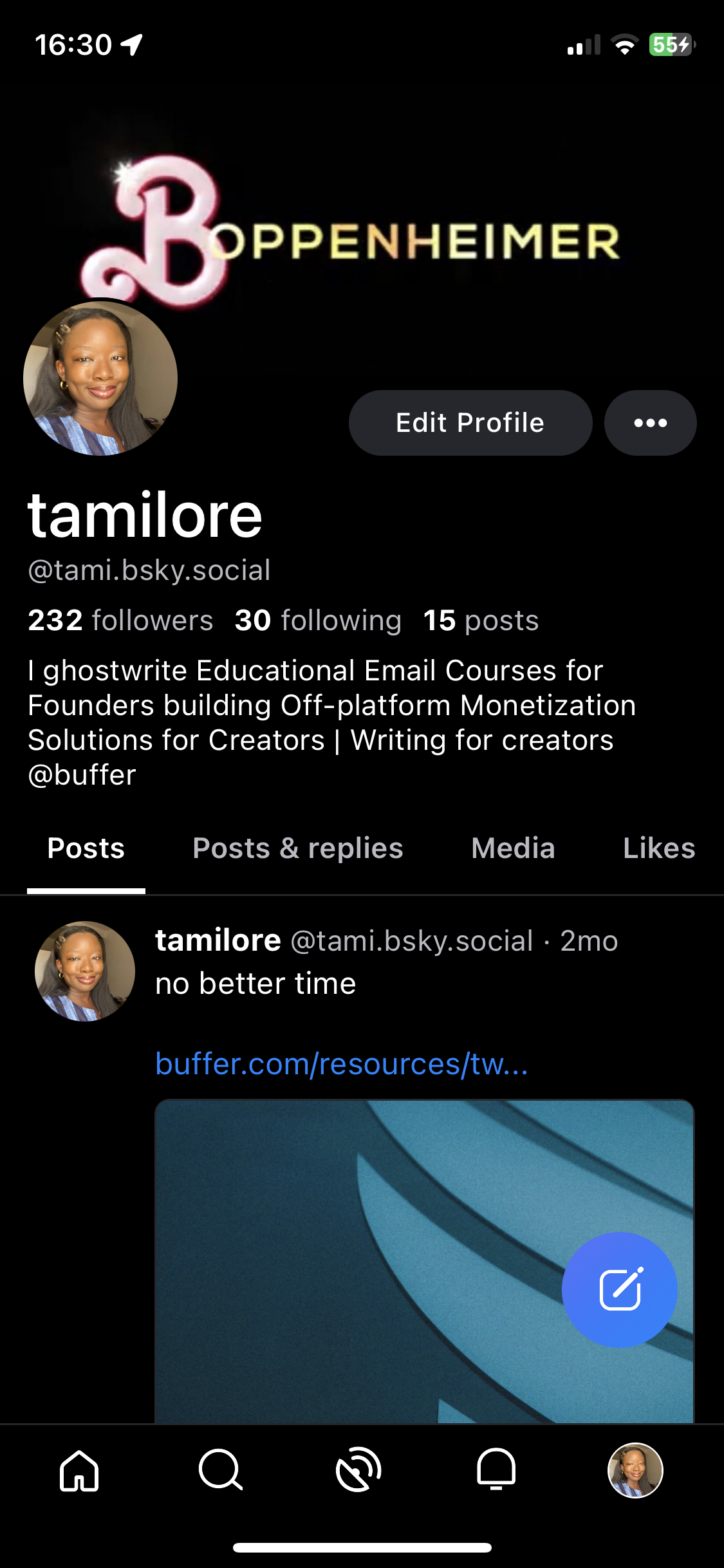
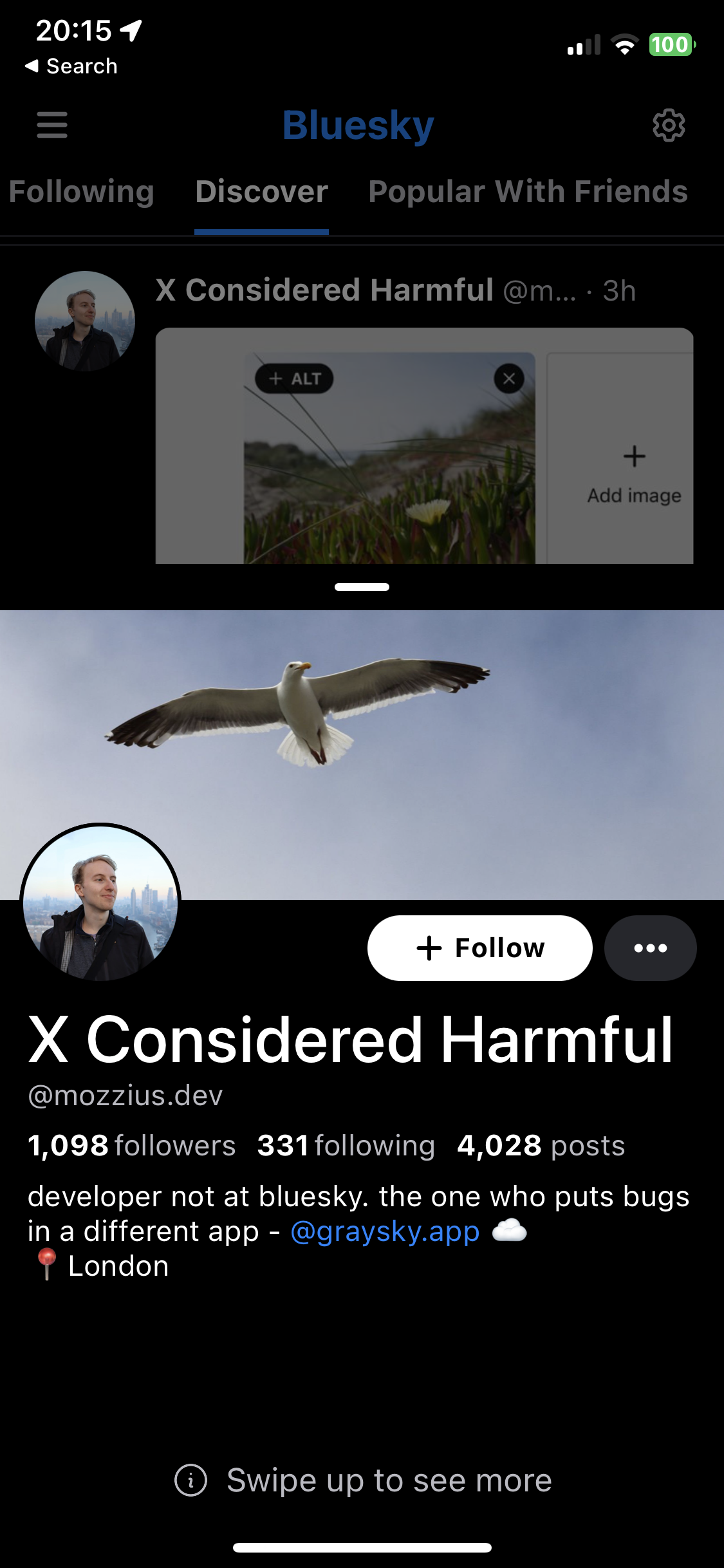
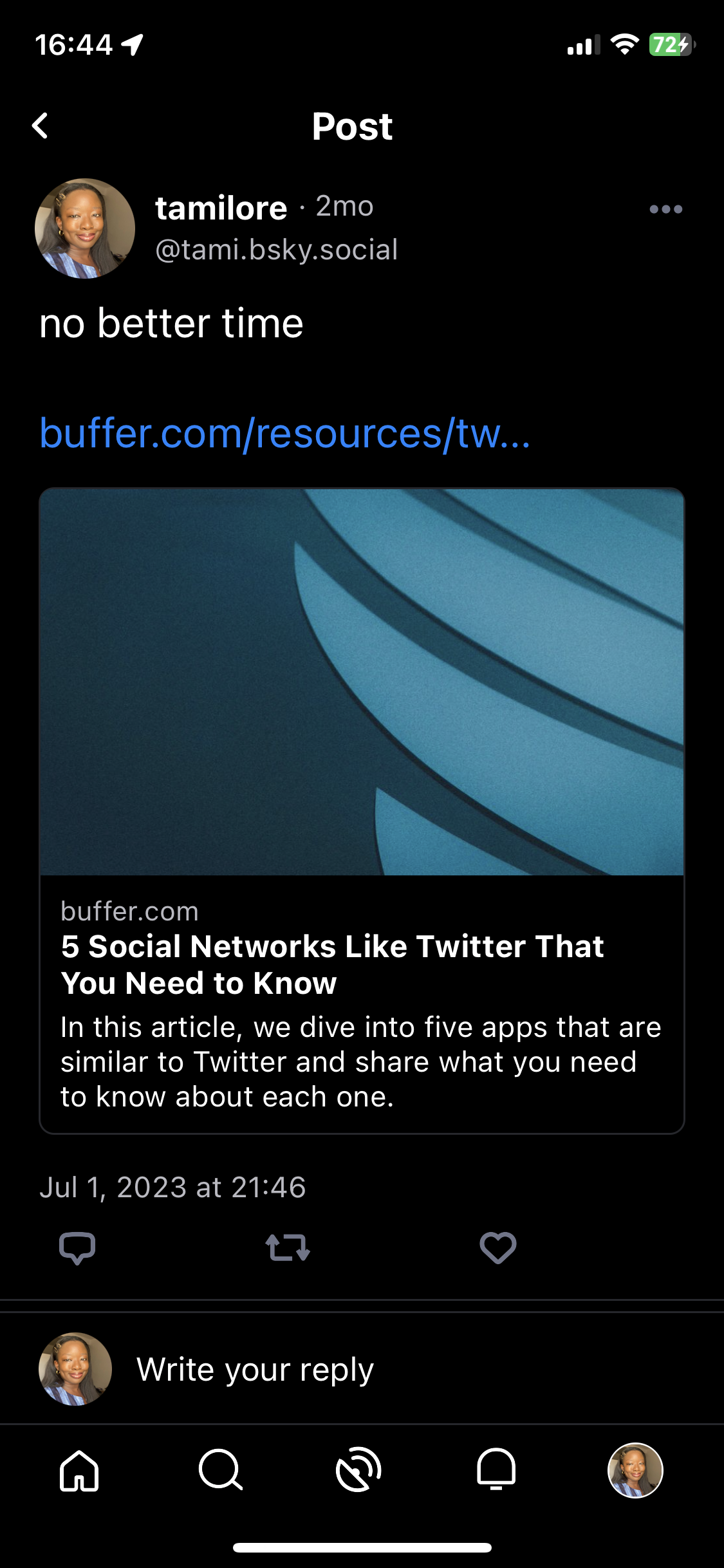
Users select a username to use Bluesky, shown as “@username.bsky.social” (I snagged @tami.bsky.social). To make it truly yours, you can turn a domain name into your username. This verifies your account and aligns your handle with your personal brand or business.
Bluesky works a lot like Twitter. You can click the Post symbol in the app or New Post button on the web to write and share up to 300 characters and add photos. Users can reply, repost, and like posts.
You can also set the language for your post and mark attached images as adult-only when needed.
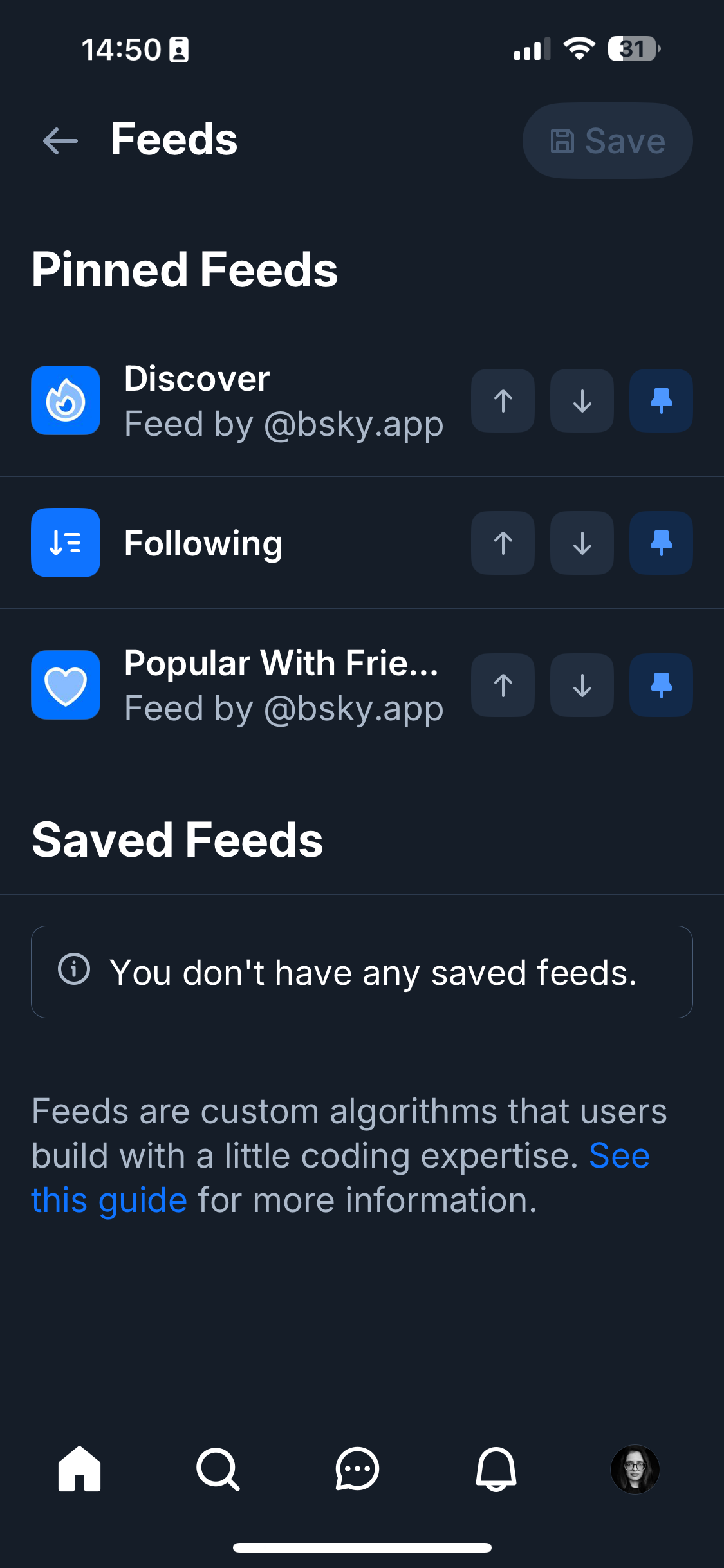
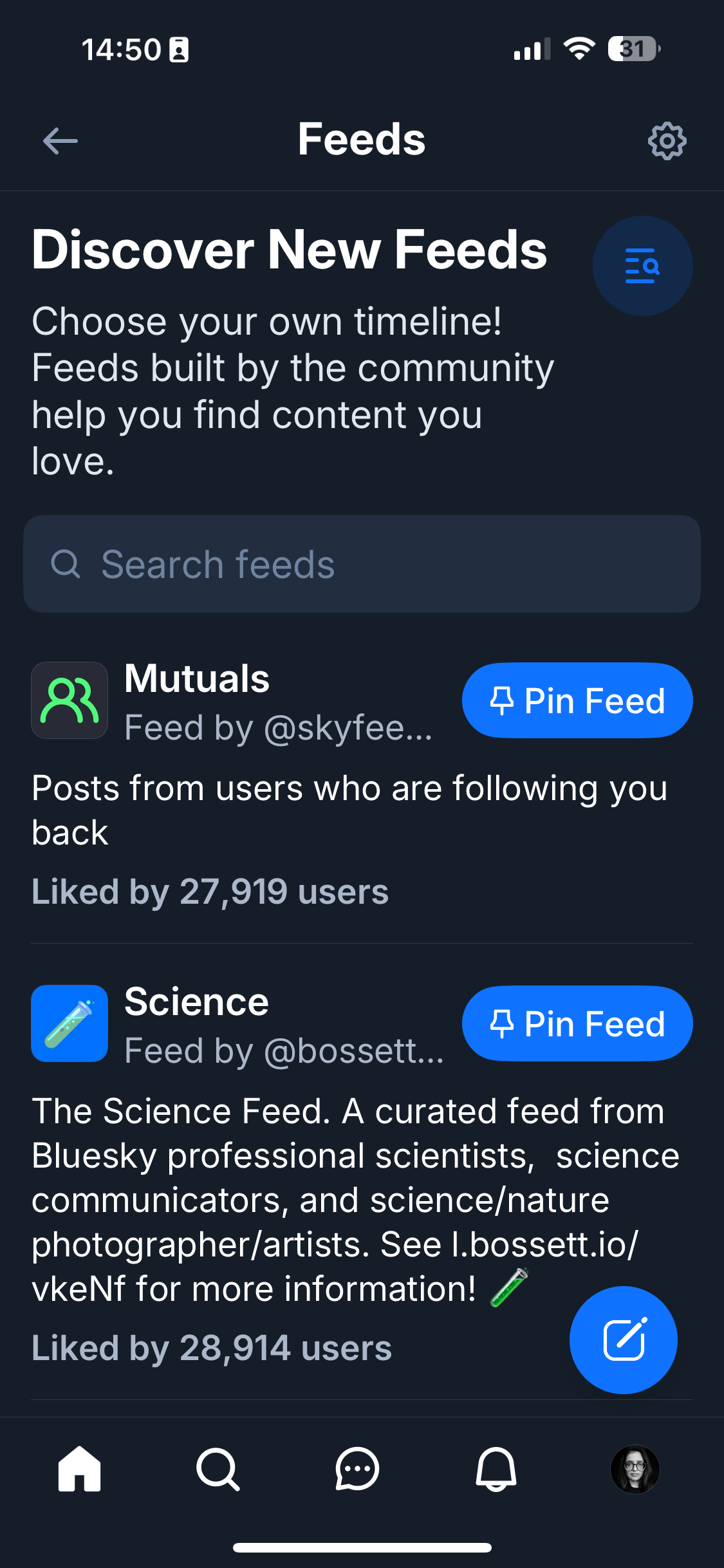
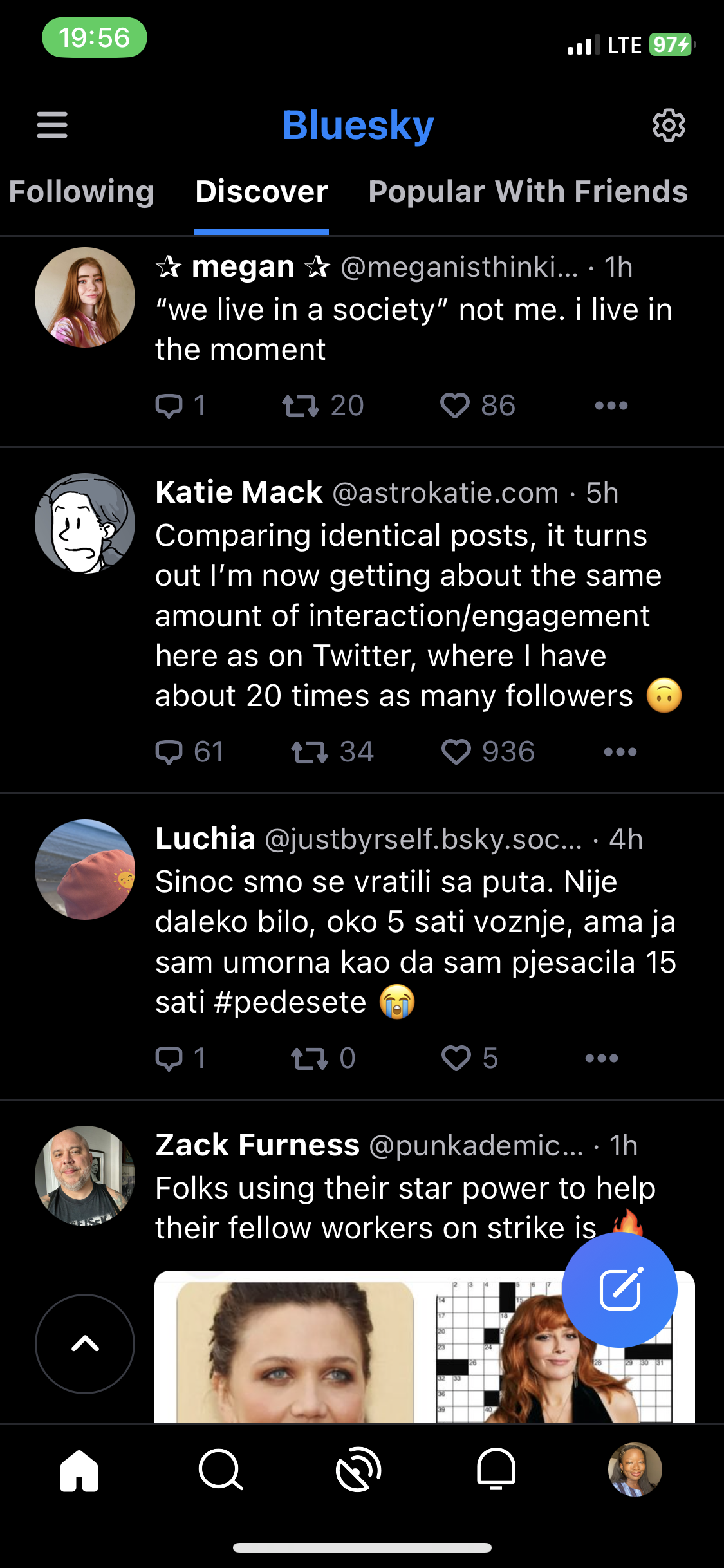
Users get three feeds upon joining — Following, Discover, and Popular With Friends — but you can also modify your feeds to see specific types of content.
Bluesky offers native apps for both iOS and Android, and you can also browse the platform on desktop or any mobile web browser.
Is Bluesky free to use?
Yes. You can sign up, post, follow others, and join public conversations at no cost. Bluesky does not currently charge for access or basic features, so anyone can explore the platform without a subscription or membership fee.
I’ve now been using Bluesky for two years and have had more than enough time to explore its strengths, find its weaknesses, and understand the controversies it has faced.
What Bluesky gets right
Bluesky offers an extensive list of features and benefits that its users (me included) flock to it for. Here are some of them.
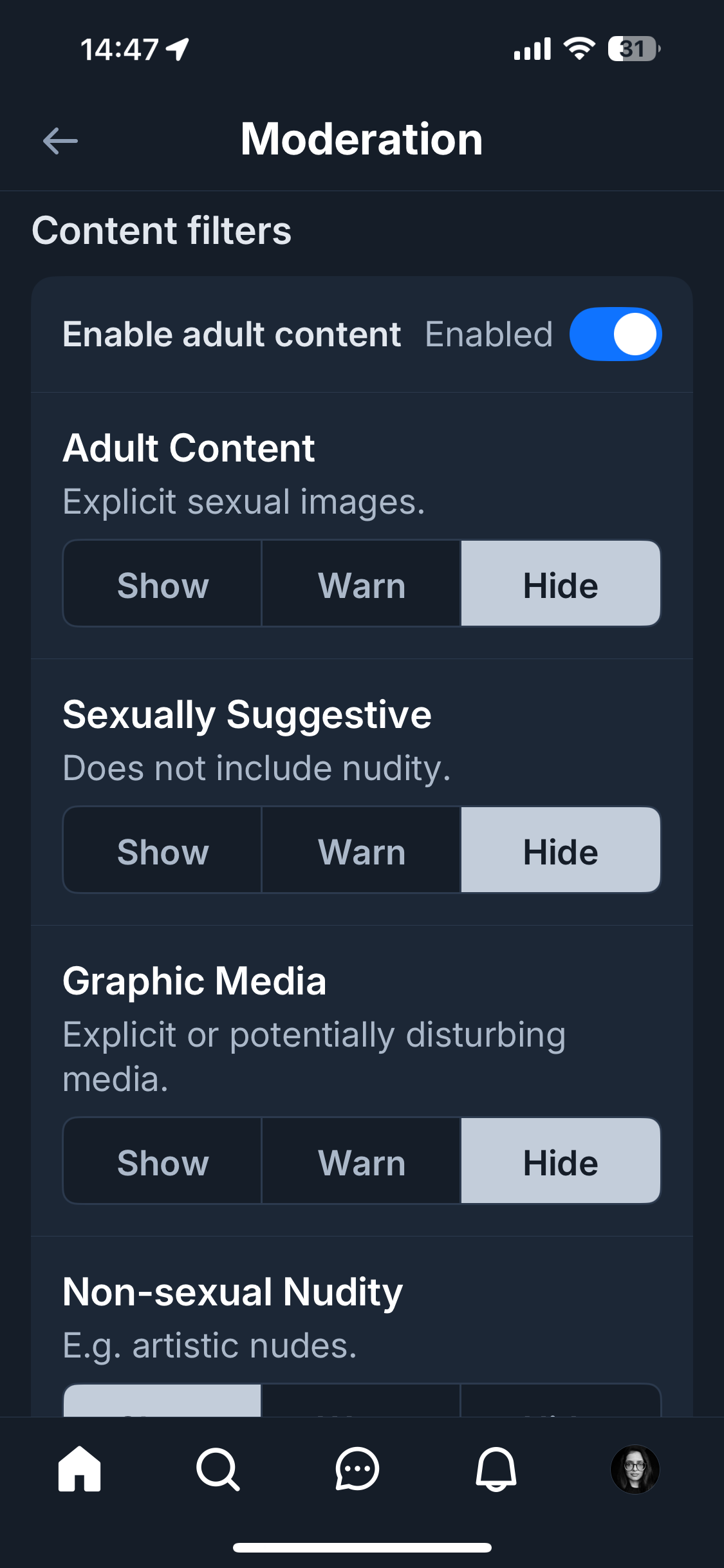
- User-controlled timelines and moderation: Bluesky puts users in charge of their feeds and moderation settings. This makes for a more tailored and empowering experience.
- Open-source and decentralized nature: Bluesky runs on an open-source model. This approach encourages transparency and community involvement.
- Custom domains: Users can set a custom domain as their handle. This adds a personal touch and boosts brand identity.
- Independence from larger entities: While Bluesky received early support from Twitter, it now operates independently. Big corporations don’t have influence over its decisions.
- Account portability: One of Bluesky’s standout features is the AT Protocol, which allows you to move your accounts to another social media site without losing your data or followers. This promotes user freedom and reduces platform lock-in.
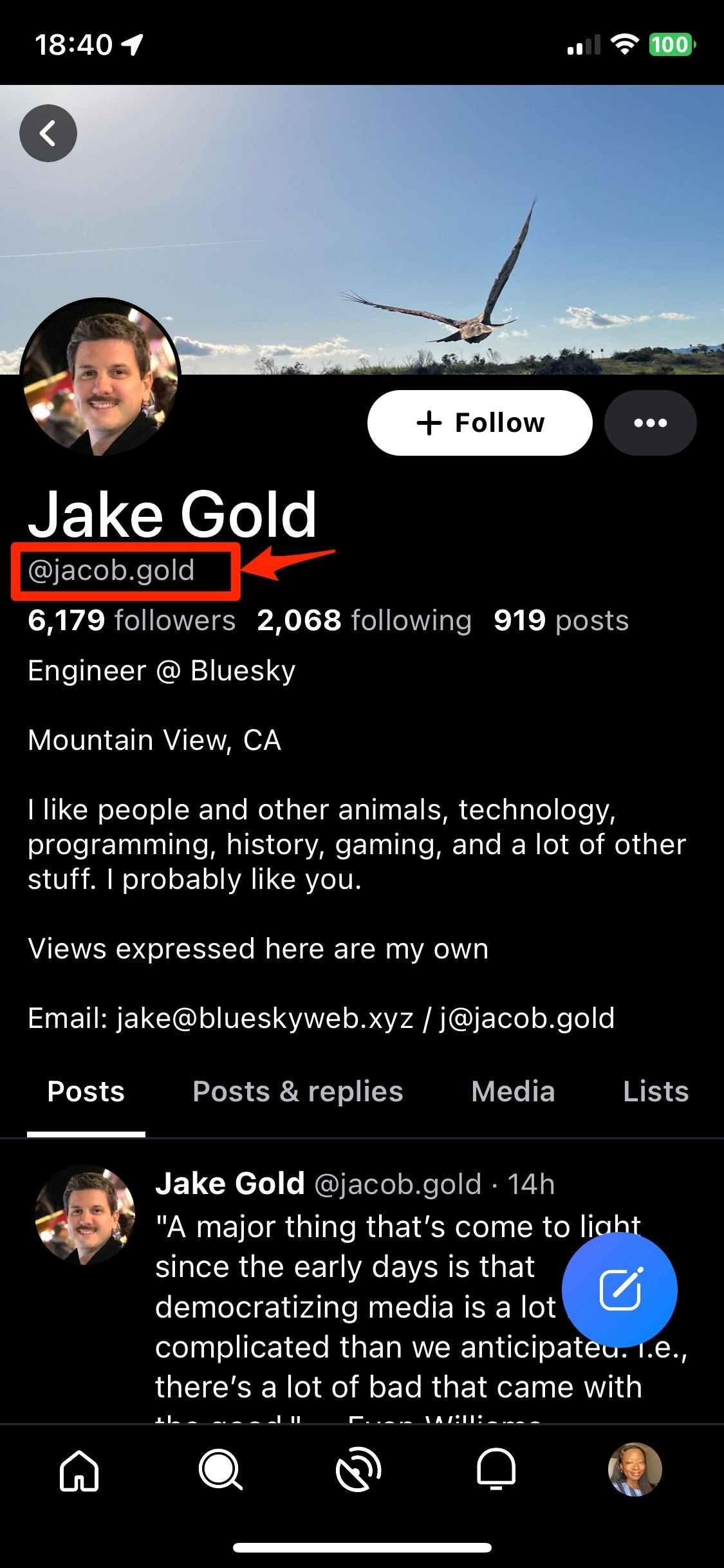
- Playful and free environment: The platform offers a refreshing environment where users can share diverse content, from scenic blue skies to personal anecdotes, without feeling like they must be particularly promotional.
- Ad-free experience: Currently, there are no sponsored posts clogging your timeline. Bluesky has explicitly said advertising is not part of their plan, but they are exploring subscriptions and creator-first monetization.
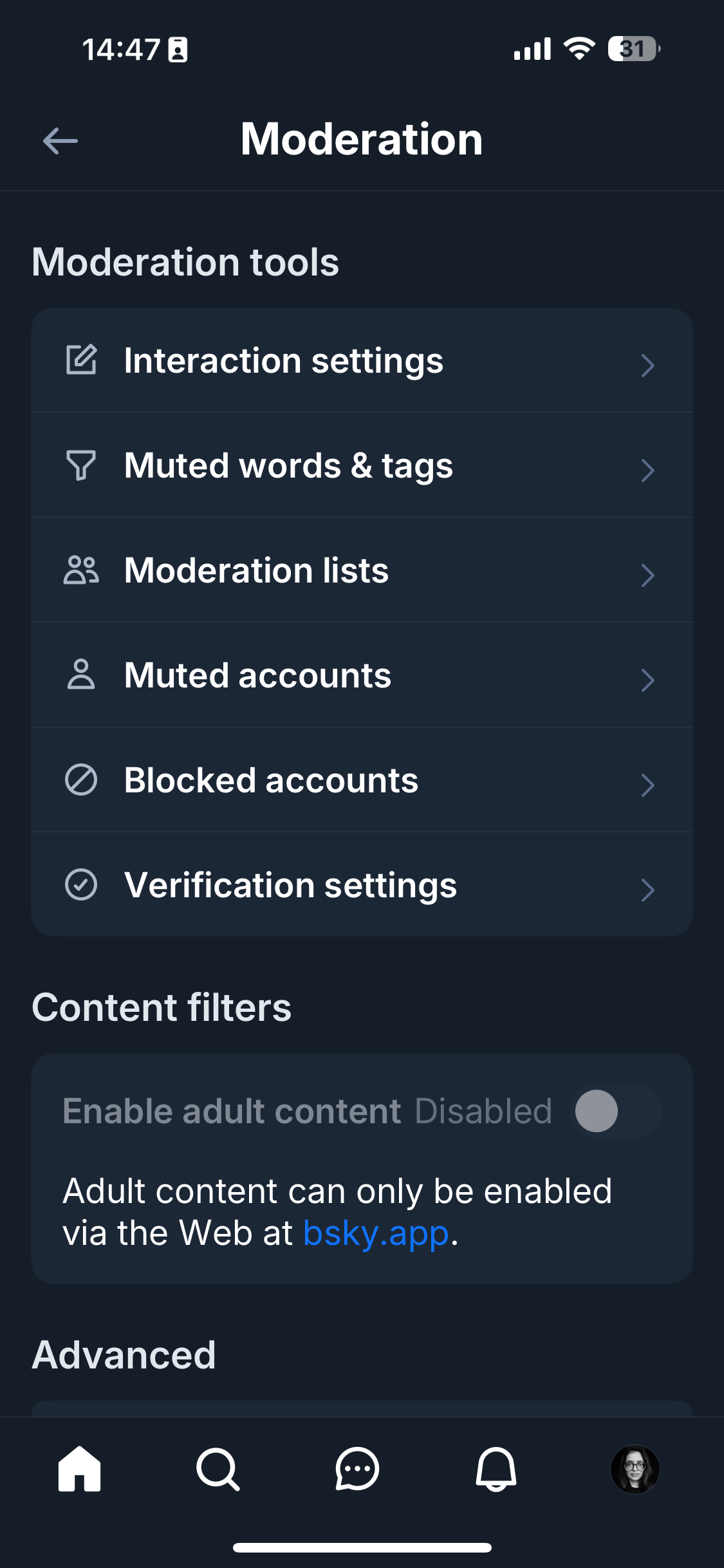
- Content moderation flexibility: Developers who run their own servers can set custom moderation policies, shaping each community’s standards. Bluesky also incorporates community labeling as part of its moderation strategy, promoting community involvement in content regulation.
Where Bluesky falls short
Bluesky’s decentralized approach is exciting, but it comes with some real challenges.
- Monetization uncertainty: Bluesky has publicly committed to subscriptions and creator monetization, but these systems are still being built and won’t arrive immediately
- Limited decentralization in practice: While Bluesky promotes itself as a decentralized platform, currently, Bluesky Social is the only site using the AT Protocol. This limits the true potential and benefits of decentralization. Some users also question its true intentions and criticize its for-profit nature. They feel that Bluesky might not be genuinely committed to decentralization.
- Content moderation challenges: The flexibility in content moderation, while a strength, can also be a double-edged sword. Different servers with varying moderation policies can lead to inconsistent user experiences and potential safe havens for harmful content.
- Dependence on Twitter’s infrastructure: Despite its independence, Bluesky still relies heavily on Twitter’s infrastructure, especially for its “birdwatch” feature. This dependence could pose challenges in the future, especially if there are disagreements or conflicts between the two platforms.
- Potential for echo chambers: The ability for users to customize their content feeds and moderation policies can lead to the creation of echo chambers, where users only interact with like-minded individuals, limiting exposure to diverse viewpoints.
Key controversies to know
Since its launch, Bluesky has faced controversies that have sparked outrage among community members and reduced trust in the platform’s team and their intentions.
- Challenges with community-driven moderation: Relying heavily on automated and community-driven content moderation can lead to biases, inconsistencies, and potential misuse. Without a centralized moderation system handled by humans, harmful content might not be addressed uniformly across the platform. This became clear when Bluseky failed to protect Black users and other marginalized groups from racist harassment, sparking serious concerns about its content moderation approach.
- Inconsistent communication: Bluesky’s inconsistent communication raises questions about the company’s commitment and approach to addressing these issues. Users also pointed out that the team refused to publicly acknowledge their errors in handling the situation, leading to distrust.
- Potential for misinformation spread: The decentralized nature of Bluesky, combined with user-driven content moderation, can create an environment where misinformation or harmful narratives spread unchecked.
- Potential for platform fragmentation: The ability for anyone to set up their server with its moderation policies can lead to a fragmented user experience. Depending on their server, users might find themselves in vastly different “versions” of Bluesky.
Even with these issues, Bluesky users stay pretty engaged, and there’s a real sense of community among people who want to help the platform grow.
Should you join Bluesky?
Bluesky is definitely worth exploring, especially if you’re after a platform that feels like Twitter.
Many Twitter users have moved over to Bluesky and see it as the next best thing, especially over platforms that feel more complex, like Mastodon, or don’t feel fully like a Twitter alternative, like Threads. It has also formed an identity quicker than most other Twitter alternatives since it started gaining traction.
If you’re just getting started on Bluesky, we have some handy resources that might help. In this video, Kirst Lang walks you through your account set up:
FAQ about Bluesky
What is Bluesky, in simple terms?
Bluesky is a social network that feels a lot like early Twitter. You can post short updates, reply to others, repost, and like content. The big difference is how it’s built: Bluesky is designed to give users more control over their feeds, moderation, and even their usernames.
How is Bluesky different from X (formerly Twitter)?
Bluesky focuses more on user choice than algorithmic control. You can customize what you see, adjust moderation settings, and avoid ads altogether. For many people, it feels calmer and more conversational than X.
What does “decentralized” mean on Bluesky?
Bluesky runs on the AT Protocol, which allows multiple servers to connect to the same network. That means users aren’t locked into a single company forever and can, in theory, move their account elsewhere without losing followers or data. Most users are still on the main Bluesky server, so decentralization is real but still developing.
Can I use my own domain as a Bluesky username?
Yes. You can use a custom domain as your handle, which helps verify your identity and tie your account directly to your personal brand or business. It’s one of Bluesky’s most distinctive features.
How do feeds work on Bluesky?
When you join, you’ll see default feeds like Following and Discover, but you’re not limited to those. You can add or create custom feeds that surface specific topics, communities, or content styles, giving you more control over what shows up in your timeline.
Does Bluesky have ads?
No. Bluesky doesn’t currently run ads or sponsored posts, which keeps timelines feeling uncluttered and more community-focused. Instead, they’re exploring subscriptions and creator-first monetization.
Is Bluesky good for brands and creators?
Bluesky can be a strong fit if your approach is more about conversation than promotion. It’s especially useful for personal brands, niche communities, and creators who enjoy engaging directly with their audience rather than chasing viral reach.
What are the biggest downsides of Bluesky?
The platform is still growing, and some big questions remain unanswered. Monetization plans aren’t clear, moderation can vary depending on the server, and the user base is much smaller than X. The same flexibility that makes Bluesky appealing can also lead to inconsistent experiences.
Is Bluesky safe to use?
Bluesky gives users and servers more control over moderation, which can be empowering but uneven. Past moderation failures, particularly around protecting marginalized users, have raised concerns. The team has made changes, but trust and consistency are still evolving.
Should I join Bluesky?
If you’re looking for a Twitter-like experience without the ads and algorithmic noise, Bluesky is worth exploring. Many former Twitter users see it as the closest alternative that still feels familiar and easy to use.
Can I schedule posts on Bluesky?
Yes. With Buffer’s Bluesky integration, you can schedule posts, cross-post to other platforms, track performance, and manage your content from one place, even if you’re using a custom server.
