


Winter can be a particularly tough time to deal with if you live in a cold climate. Many people love the snow season because it provides opportunities to go skiing, snowboarding, tubing, and ice skating. It also lets you go sledding, make snowmen, have a snowball fight, and go snowshoeing.
But there are plenty of reasons why snow is not that much fun, and one of the main reasons is when you’re a homeowner and you’re in charge of clearing the snow on your driveway or walkway. If there’s a decent amount of snow that accumulates, it can be heavy and slick. Having to shovel lots of snow is a chore, which is why having a snowblower can be a huge help. But you have to make sure that your snowblower is ready for the season before you get pummeled with a barrage of snow.
Do a maintenance check on the engine parts
There are several facets to this
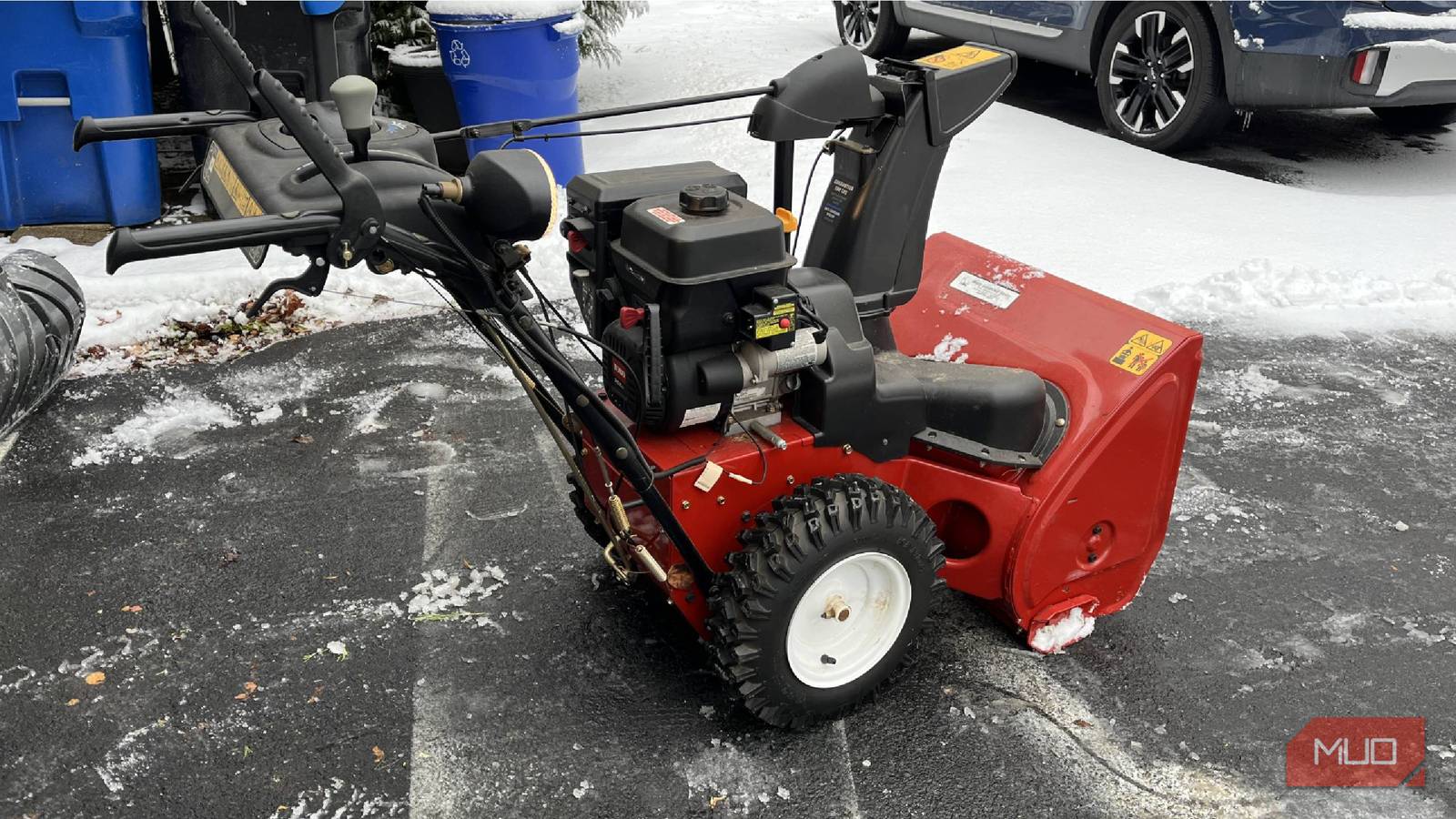
The first snowstorm of the season just came by my home. I had seen it was going to happen earlier in the week, so I knew I needed to get my snowblower out of the shed and perform some routine maintenance checks. I hadn’t used my snowblower at all last year, so I knew it was still in good condition. I still did the checks anyway, as I know I need to be on my game when it comes to household tasks.
Just like any gas-powered vehicle, you need to keep an eye on the inner workings to ensure it’ll start up when you need it to. There’s no point in having a snowblower if it doesn’t work when it snows. That’s why you need to do some maintenance checks prior to your first big snowstorm of the season.
The first thing you should do is check the spark plug and clean it up if possible. If it’s too worn, you should get a new one. The spark plug creates a spark to ignite the fuel and start the machine. Check the oil in your machine to ensure that it’s still good. You can easily drain the oil and refill it with new oil to start the year fresh. Read your owner’s manual to see how much oil you should be putting into the oil tank.
If you remembered to add stabilizer to your fuel tank before the end of last season, that was smart. Fuel stabilizer can help slow down the oxidation process of gasoline and keep it fresh, meaning you can use it up to a year later. Gasoline breaks down as time goes on, causing it to separate and potentially clog your carburetor. This can cause your engine to sputter and struggle to start. Either having an empty tank of gas to start the year or adding stabilizer to your fuel to start the year will keep your engine running better as you start.
Gas can last in a gas can for about three to six months before it starts to degrade. If you add fuel stabilizer to it, it can push it another six months.
See if there’s wear and tear to your blades
There may need to be some changes made

Depending on the quality of your snowblower, its age, and how much you used it the year before, you should give the blades a thorough inspection. Each blade and paddle has an indicator hole on it. This is designed to be a marker for you when you’re properly maintaining your snowblower. As the snowblower is churning and collecting snow to push it up through the chute, it’s grinding away at ice, rocks, grass, and whatever else you might be driving over.
Over time, this can cause wear on your paddles and blades. The indicator hole is kind of a barometer for when you might need to replace one. If you do need to replace your blades, it’s better to know sooner rather than later. Using worn-out blades won’t do as efficient a job, leaving snow behind as you’re going over it. Plus, a really worn-out one could potentially damage your driveway.
While you’re checking out the blades, you should also look at the shoes and the scraper bar. The shoes are on the side, and the scraper bar is at the bottom underneath the blades. You don’t actually want your scraper bar to be scraping along the driveway. You want there to be a slight gap, maybe half an inch, to help you collect the snow but not skim your driveway. Loosening the shoe bolts on the side will help you adjust the scraper bar before needing to tighten the shoes again.

Tackle these 5 winter tasks now to avoid expensive surprises later
Protect your house with some simple chores.
Check the controls and chute
You want to throw the snow well

I have a Toro snowblower, so the chute controls are a joystick called the Toro Quick Stick. It lets me rotate the chute, which is where the snow is pushed upward through from the blades, to direct where the snow is being thrown. Yours may have a hand crank that rotates the chute in multiple directions. The Quick Stick lets you position the chute up, down, left, or right with more precision.
If you have one with a joystick, it gives you flexibility as you’re using the driving controls. I’ve had ones with a hand crank in the past, and you basically have to stop the machine to change the direction of the chute before you can move again. With the Quick Stick, you can do it while the machine is moving, letting you shoot the snow in any direction you choose.
The way you can check this part of the snowblower is by giving it a try. As long as the chute is moving where you want it to, you don’t have to worry about opening up any parts of the controls to fix anything.
You should spray the chute with some kind of spray, preferably silicone or wax, so the snow doesn’t get stuck inside the chute. It can help smooth out the process of a snowblower run by lubricating the chute. You can also lubricate the cables and blades to ensure that everything that moves remains well-oiled.
The last thing that you should consider is pumping up the tires to make sure they are filled enough before you use the snowblower. Your snow blower likely has winter tires with more grip on them. But cold air tends to minimize, so following along with the PSI guidelines in your manual will help you fill them up to their preferred level. Once you’ve done that, you should run the snowblower for 15 minutes to make sure it’s working properly. This should all be done before you need to use it.
Maintenance checks on your snowblower are important
Don’t overthink things before you use your snowblower for the season. You should lubricate any moving parts, check for wear and tear on the blades, and give everything a test run. Testing the chute and spraying it can help you avoid buildup. The same can be said for adding fuel stabilizer to the tank. Check the oil levels and top up your oil to make sure the machine has enough. If you do all of this, you should be in for some smooth blowing sessions this winter.
