AI is reshaping how people shop online. Search isn’t just about keywords anymore. Tools like Google’s AI Overviews, ChatGPT shopping features, and Perplexity product recommendations analyze huge amounts of product data to decide what to show users. That shift means e-commerce brands need to rethink the way their product information is structured.
If you want visibility in these AI-powered shopping journeys, your product data has to be clean, complete, and enriched. AI models lean heavily on structured feeds, trusted marketplaces, and high-quality product attributes to understand exactly what you sell.

That’s why AI search for e-commerce matters right now. Brands that optimize their feeds will show up in conversational queries, comparison results, and visual search responses. Brands that don’t will struggle to appear even if they’ve done traditional SEO well.
This foundation will help you give AI systems the clarity they need to recommend your products with confidence.
Key Takeaways
- AI search engines rely heavily on structured product feed data instead of just site content to understand and surface products.
- Clean, complete feeds lead to higher visibility across Google Shopping, ChatGPT shopping research, Perplexity results, and other LLMs.
- Strong titles, enriched attributes, and quality images make it easier for AI systems to match your products to real user needs.
- Brands with clear, structured product data will outperform competitors in AI-driven shopping experiences.
How AI Search Is Reshaping Product Discovery
AI is changing the way customers find products long before they reach your website. Instead of typing traditional keywords, shoppers now describe what they want in plain language:
“lightweight waterproof hiking boots,”
“a gift for a 12-year-old who loves science,”
“a mid-century floor lamp under $150.”
AI systems interpret these natural-language queries using semantic understanding instead of exact keyword matches. That shift affects everything from Google Shopping listings to ChatGPT’s built-in shopping tools. It also impacts how AI-driven platforms rank your products when answering conversational or comparison-based queries.
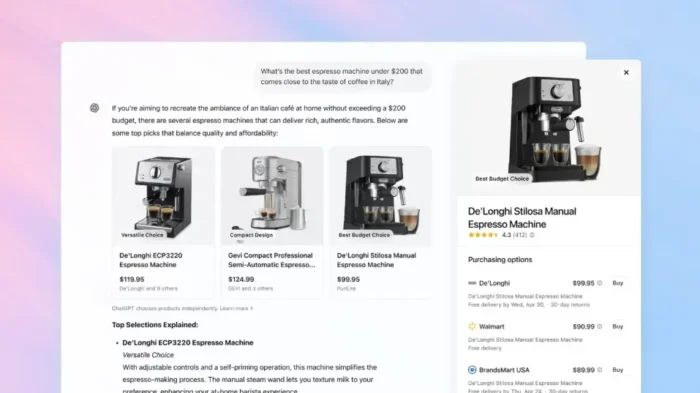
Source: RetailTouchPoints
If you’ve been following the evolution of AI in e-commerce, you already know AI is moving deeper into product search, recommendation, and personalization. But behind the scenes, the link between your product data and AI visibility is tightening.
AI models rely on structured, trustworthy data sources, including product feeds, schema markup, and marketplace listings. If your feed lacks attributes or clarity, AI can’t confidently connect your product to a user’s need, even if your website is strong.
Optimizing your feed is no longer a backend task. It’s a visibility strategy.
What Is a Product Feed (and Why AI Cares About It)
A product feed is a structured data file that contains detailed information about every item you sell. It includes attributes like product title, description, brand, size, color, price, availability, GTIN, and more. Platforms such as Google Shopping, Meta, Amazon, and TikTok Shops rely on these feeds to understand your inventory and decide when to show your products.
AI systems depend on the same structure. Instead of scanning pages manually, they pull product details from feeds because the information is cleaner, more complete, and easier to interpret at scale.
If your feed includes rich attributes, AI can match your items to complex user queries. When attributes are missing or titles are vague, your products become invisible in AI-driven discovery, regardless of how strong your website content might be.
This is why optimizing product feeds is a priority for e-commerce brands right now. Clean, enriched feeds increase your visibility across AI-powered shopping experiences and visual search tools like Google Lens.
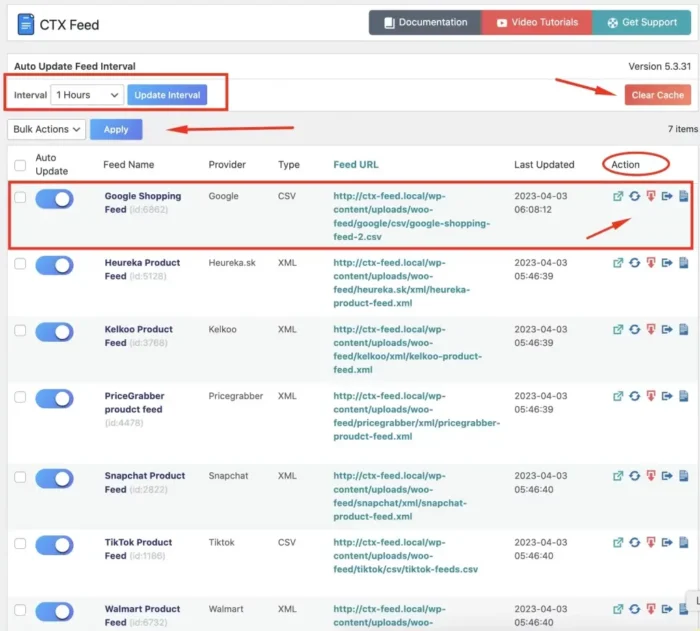
Now, your product feed isn’t just for ads, but is a core input for AI search.
What AI Needs From Your Product Feed (Titles, Attributes, Images)
AI systems don’t guess what your products are, instead analyzing the data you provide. These are the elements that matter most.
Titles and Descriptions
AI models prefer natural, descriptive, human-sounding titles. Short, vague titles like “Running Shoes” don’t give AI enough context. But a title such as:
“Women’s Waterproof Trail Running Shoes – Lightweight, Breathable, Blue”
instantly signals the audience, category, and key benefits.
Descriptions should reinforce the title and add details that help AI understand use cases, materials, fit, and core value.
Avoid keyword stuffing. AI systems would likely reference sites with ambiguity less because they would have less info to understand it.
Product Attributes
AI engines rely heavily on structured attributes such as:
- Size
- Color
- Material
- Fit
- Style
- GTIN/MPN
- Age range
- Intended use
Missing attributes = missing visibility.
Attributes help AI refine products when users ask things like:
“Show me a size 8,”
“Only vegan options,”
“Something in walnut or dark wood.”
The more complete your attributes, the better your likelihood of appearing in those filtered results.
Product Images and Alt Text
AI increasingly “reads” images using vision models. Google Lens, Pinterest Lens, and multimodal AI systems analyze colors, textures, shapes, and packaging.
Clear, high-resolution images paired with alt text provide two inputs: visual interpretation and descriptive language.
Example alt text:
“Women’s waterproof trail running shoe with rubber sole, breathable mesh upper, and reinforced toe cap in blue.”
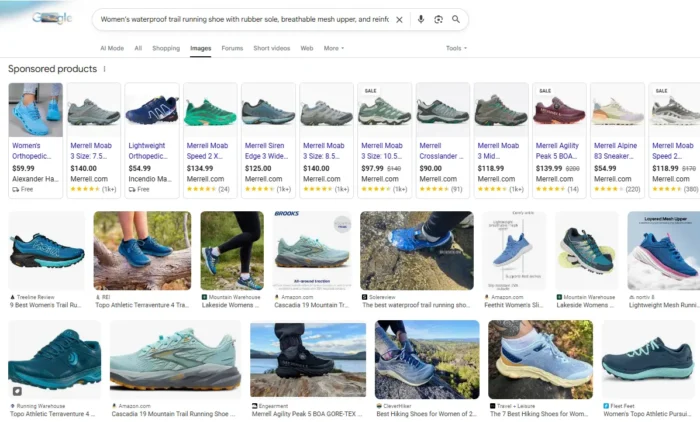
Visual clarity improves both AI understanding and user experience.
Steps To Optimize Product Feeds for AI Visibility
Here’s the practical workflow to upgrade your product feed for AI search visibility.
1. Audit Your Current Product Feed
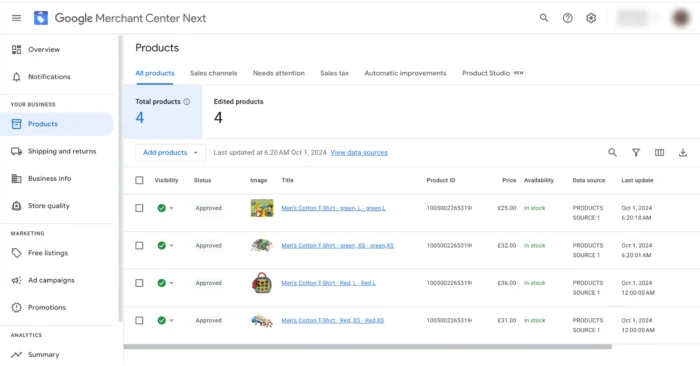
Start with a complete audit using tools like Google Merchant Center, Feedonomics, or GoDataFeed. Look for:
- Missing GTINs or invalid identifiers
- Weak or vague product titles
- Incomplete attributes
- Duplicate listings
- Mismatched availability or pricing
- Blank fields or generic descriptions
AI search systems penalize incomplete or ambiguous data.
2. Improve Title and Description Relevance
Use a clear structure:
Brand + Category + Key Attributes + Value Proposition
Examples:
- “Nike Men’s Running Shoes – Cushioned, Lightweight, Black”
- “Organic Cotton Baby Pajamas – Soft, Breathable, Unisex”
- “Mid-Century Floor Lamp – Walnut, LED Compatible, 60” Height”
Descriptions should expand on the title, adding details AI can use to match queries.
Avoid fluff. Focus on clarity.
3. Enhance Structured Attributes
Fill out every attribute you have access to, even optional ones. AI uses these to match long-tail, specific user needs.
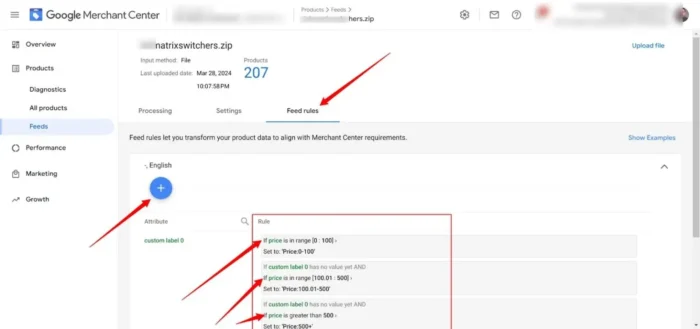
Add custom labels for:
- Best sellers
- Seasonal items
- High margin
- Clearance
- New arrivals
Custom labels help you manage bidding, targeting, and segmentation across Shopping and Performance Max campaigns.
4. Optimize for Rich Results & Visual Search
Include product schema markup on all product pages, especially:
- Product
- Review
- Price
- Availability
AI search engines treat structured schema as a trust signal.
Also include descriptive alt text on all product images to support accessibility and AI interpretation.
5. Set Up Feed Rules and Automations
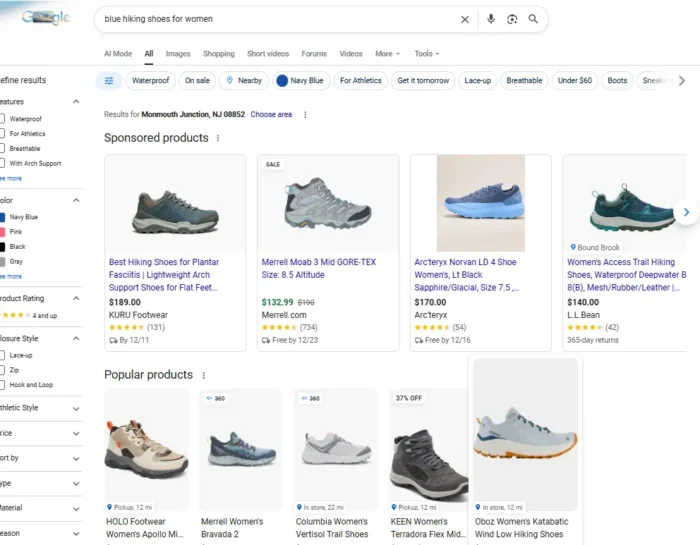
Automate cleanup tasks such as:
- Adding missing colors to titles
- Appending product type or material
- Standardizing capitalization
- Populating missing attributes with known defaults
- Flagging products with incomplete data
Automation keeps your feed consistent as your catalog changes.
How AI Assistants Use Product Data
AI shopping assistants are rapidly changing how customers discover and compare products.
To generate these answers, AI systems pull from:
- Merchant Center feeds
- Structured schema markup
- Marketplace listings
- Verified product databases
- High-quality product images
- Trusted review sources
This creates a composite understanding of your product beyond just what your site says about it.
If you’ve explored the role of AI shopping assistants, you’ve likely seen how quickly they recommend products based on attributes like size, color, performance, ratings, and price. Those signals come directly from your feed and structured product data.
Brands with richer data sets see higher inclusion rates in:
- Comparison lists
- “Top choices” summaries
- Product match queries
- Visual search results
- Conversational shopping recommendations

AI systems don’t guess. They promote products they can understand clearly and ignore the rest.
Common Mistakes That Hurt AI Visibility
Most feed problems fall into a few categories, and each one reduces visibility in AI search engines.
1. Vague or Duplicated Titles
Titles like “Running Shoes” or “LED Lamp” provide no usable context. AI deprioritizes these compared to richer alternatives.
2. Missing Key Attributes
Many merchants skip fields like size, color, material, GTIN, or gender. AI relies heavily on these attributes when matching products to specific user requests.
3. Keyword-Stuffed or Fluffy Descriptions
Descriptions should be informative, not bloated. AI models prefer specific phrasing over repetitive keywords.
4. Inconsistent Pricing or Availability
If your feed shows “in stock” but your page says “out of stock,” AI systems flag inconsistencies and may reduce your visibility.
5. Low-Quality Images or Missing Alt Text
Visual AI models need clarity. Poor images or missing alt text make your product harder to classify.
Fixing these issues has a measurable impact on how often your products appear in AI-driven recommendations.
FAQs
What is AI e-commerce?
AI e-commerce refers to using artificial intelligence to improve product discovery, recommendations, personalization, and automation throughout the online shopping experience.
How is AI changing e-commerce?
AI is shifting product discovery toward natural-language search, visual identification, and conversational shopping assistants. Brands now need structured, enriched product data to stay visible.
How do you optimize a product feed for AI search?
Create clear titles, use complete attributes, include schema markup, strengthen product images, and use automation to maintain consistency. A detailed feed helps AI understand your products accurately.
Conclusion
Brands that invest in structured data, enriched attributes, and clear product information will outperform competitors as AI-driven shopping grows.
Feed optimization also strengthens your broader search strategy. The same structured data powering AI engines aligns with strong AI in e-commerce practices, and the same clarity helps conversational systems recommend your products more confidently.
Visibility in AI search isn’t random. It comes from data quality. And improving that data is one of the highest-impact steps an e-commerce brand can take today.

See How My Agency Can Drive More Traffic to Your Website
- SEO – unlock more SEO traffic. See real results.
- Content Marketing – our team creates epic content that will get shared, get links, and attract traffic.
- Paid Media – effective paid strategies with clear ROI.
Book a Call
Are You Using Google Ads? Try Our FREE Ads Grader!
Stop wasting money and unlock the hidden potential of your advertising.
- Discover the power of intentional advertising.
- Reach your ideal target audience.
- Maximize ad spend efficiency.