


Cheap tools have cost me more than the expensive ones ever did. My first cordless drill gave out halfway through mounting a shelf. The motor just quit. I drove to the hardware store, bought another cheap one, and told myself it was a fluke. It wasn’t. That pattern repeated for years before I finally got tired of throwing money at disposable tools.
My basement Ethernet project changed things—I borrowed a friend’s DeWalt for that job, and the difference was embarrassing. I’m no contractor. I just hate paying someone $200 to do something I can figure out myself. My buddies who actually work in construction have told me too many times which brands hold up and which ones don’t. Here’s why they’re worth what they cost.
DeWalt
The professional standard that’s more accessible than you’d think
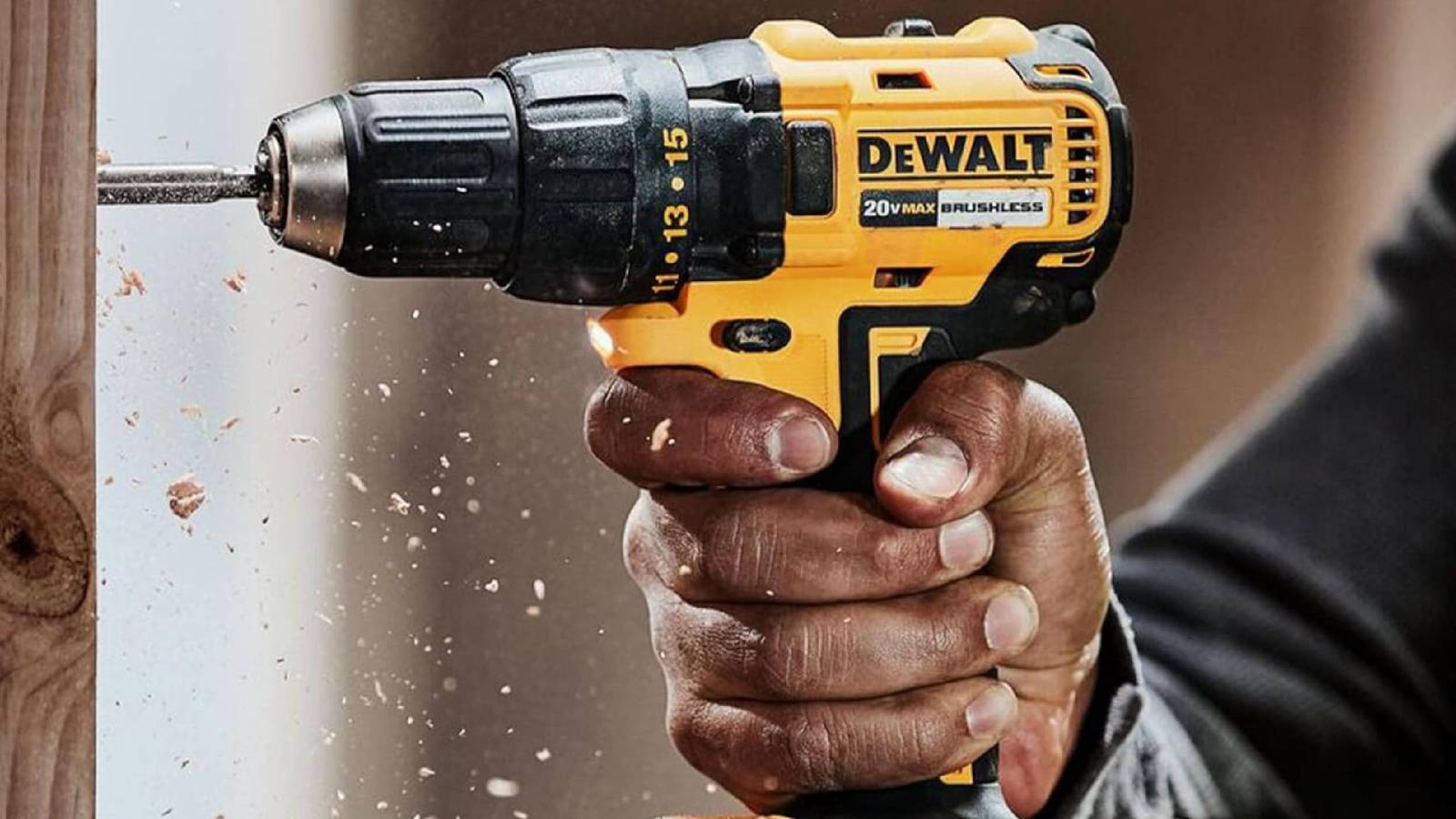
DeWalt shows up on job sites for a reason. The tools take abuse, the batteries last, and replacement parts are everywhere. That reputation comes with higher prices, but the 20V MAX platform now includes over 250 tools—once you’re in, you’re not starting over anytime soon.
The XR line is where the real value sits. Those brushless motors don’t burn out the way brushed ones do, and POWERSTACK batteries cram serious capacity into packs that don’t weigh down your tool belt. I’ve watched contractors beat on these things for years. The standard 20V MAX lineup from DeWalt includes affordable options if you’re just getting started, but serious users end up in XR territory eventually. You get a three-year warranty, service centers that actually stock parts, and tools that hold resale value when you upgrade.
Craftsman
Your dad’s brand grew up

Sears is gone. Craftsman almost didn’t make it either. Stanley Black & Decker bought what was left and started over. The V20 platform they eventually launched? Completely different animal from those old red metal toolboxes. It’s competitive now. Genuinely competitive. The standard brushed tools handle occasional weekend projects fine, but the BRUSHLESS RP series is where Craftsman starts earning premium pricing.
RP stands for Rapid Performance, and the difference shows up in torque specs and runtime. The brushless drill pushes 750 in-lbs and keeps spinning long after cheaper alternatives would tap out. Many of these tools carry a Made in USA with Global Materials designation, assembled at their South Carolina facility. The V20 system spans power tools and outdoor equipment on shared batteries, which means your drill investment extends to your string trimmer. For homeowners who want legitimate quality without contractor-grade pricing, Craftsman hits a sweet spot that didn’t exist five years ago.
Kobalt
Lowe’s house brand that punches way above its weight

Store brands get dismissed. I get it. But writing off Kobalt means missing one of the better values in cordless tools right now. The 24V MAX XTR line delivers specs that compete with brands charging $50–$100 more per tool, and independent testing backs up the marketing claims.
The XTR impact driver produces 2,400 in-lbs of torque and tested as one of the fastest under load in its class. The drill includes anti-kickback technology—a safety feature you won’t find on most premium brands at any price. Kobalt backs everything with a five-year tool warranty and three-year battery warranty, which beats the industry standard. The catch is Lowe’s exclusivity; you can’t grab a replacement battery at Home Depot in a pinch. If that doesn’t bother you, the XTR line offers serious capability for serious DIYers who don’t need to impress anyone with brand names.
Ryobi
The budget brand with a surprisingly capable premium tier
Here’s where I have to be honest about my own bias. My Ryobi collection has crept past fifteen tools over the years—drills, drivers, a circular saw, sanders, a heat gun that’s saved me during multiple winter emergencies, even a portable spot cleaner for car upholstery disasters. Ryobi’s lime green tools fill garages across the country precisely because they’re affordable. But affordable and capable aren’t mutually exclusive—especially once you step into the HP line.
Ryobi’s ONE+ HP line is a different conversation entirely. The brushless motors alone would justify the upgrade, but Ryobi also redesigned the electronics and introduced High Performance batteries built with tabless lithium cells. Real improvements, not marketing fluff. Their Gen 2 HP drill and impact driver hit shelves in 2025 promising 45% faster speeds and 65% more torque. Early testing from independent reviewers suggests Ryobi wasn’t exaggerating. Their 40V HP mowers and string trimmers took the same approach. More grunt, longer runtime, no mixing gas and oil or fighting a pull cord. I grab the HP Ryobi stuff now when a project matters. Buy one battery, and suddenly 300 tools become options instead of separate investments. That’s the real value of the platform.
Finding the right fit for your workshop
My electrician buddy runs Milwaukee and the plumber swears by DeWalt. They use tools all day and need gear that survives constant abuse. I don’t. Ryobi handles my weekend projects and basement renovations without complaint. Pick the platform that fits how you actually work—contractors and casual DIYers have different needs, and there’s no shame in either.
